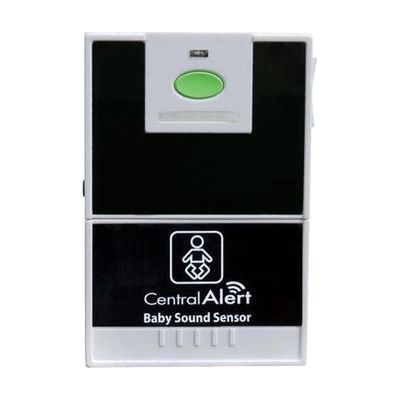
Serene Innovations Central Alert CA360 CA-BX Baby Cry Monitor
Last verified June 16, 2026 · classified April 26, 2026
What it is
Summary
AI-generated from vendor-published content · April 26, 2026
This wireless sensor detects when a baby cries and transmits a signal to a compatible CentralAlert receiver, which then flashes lights or vibrates to alert a caregiver who is deaf or hard of hearing. It's designed for parents and caregivers who can't rely on hearing a baby cry from another room. This is a sensor only — it requires a separate CentralAlert receiver (such as the CA-360) to actually deliver the alert, so you'll need to budget for that additional piece. The operating range is up to 200 feet, but walls and interference can reduce that, and AA batteries are not included.
Quick Facts Catalog facts · auto-generated
- AT Act lending
- Out of pocket
What Setup Looks Like
- Out of the box
- Place sensor 2–5 feet from baby's sleeping area with microphone facing toward baby.
- Install 2 AA batteries (not included) and adjust the sensitivity slide switch to your preferred level.
- With a guide
- Register (pair) the CA-BX sensor with your CentralAlert receiver following the pairing video or manual — typically takes 5–10 minutes.
- Test by making a loud sound near the sensor for 1.5+ seconds and confirming the receiver activates. See manufacturer support resources for detailed instructions.
Getting it
Try Before You Buy
Devices like this are often available to borrow through your state's AT Act program — typically free or low-cost — so you can try it before buying or pursuing funding.
Where to Get It
Some links may be affiliate links — WhatCanHelp may earn a small commission from purchases at no extra cost to you. More on affiliates →
As an Amazon Associate we earn from qualifying purchases.
Wondering how equipment like this gets paid for? See the official funding programs in your state.
Compare & explore
Sources & fine print
Vendor facts (name, price, platforms, vendor link) sourced from Serene Innovations — view on vendor site; last verified June 16, 2026.
Classification & description AI-generated from vendor-published content on April 26, 2026 · confidence: high. Vendor specs may lag; verify before relying on details in a clinical or funding artifact.