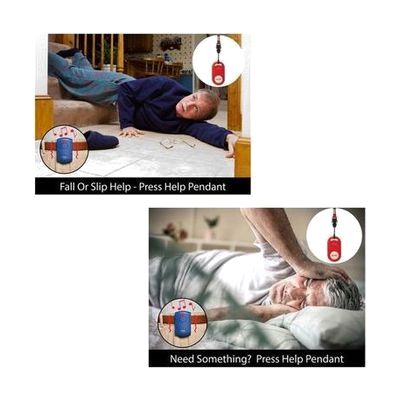
smpl Call Button Kit - Call Button and Caregiver Pager
Last verified June 17, 2026 · classified April 26, 2026
What it is
Summary
AI-generated from vendor-published content · April 26, 2026
This kit pairs a wearable help button with a portable pager so a caregiver can be alerted anywhere in or around the home when someone presses the button. The pendant is water-resistant for bathroom use, and the pager clips to a belt or sits on a table — no Wi-Fi, smartphone, or monthly subscription needed. It's a complete, ready-to-use system out of the box: press the pendant button, the pager beeps within roughly 100–200 feet indoors. One honest tradeoff: range is limited to the immediate home and yard, so this won't work if the caregiver needs to be farther away — and it doesn't contact emergency services, so it's a communication tool between two people, not a monitored emergency response system.
Quick Facts Catalog facts · auto-generated
- AT Act lending
- Medicaid waiver
- Out of pocket
What Setup Looks Like
- Out of the box
- Insert 2 AAA batteries (not included) into the pager.
- Select your preferred alert sound from 50 options and set volume level on the pager.
- Hang the pendant around the caretaker's neck or place in pocket — press button to test that pager receives the alert.
Getting it
Try Before You Buy
Devices like this are often available to borrow through your state's AT Act program — typically free or low-cost — so you can try it before buying or pursuing funding.
Where to Get It
Some links may be affiliate links — WhatCanHelp may earn a small commission from purchases at no extra cost to you. More on affiliates →
As an Amazon Associate we earn from qualifying purchases.
How to Fund This
Equipment like this is often pursued through official state programs. These are common starting points — each program decides its own eligibility and what it covers, so the first step is always a phone call.
Compare & explore
Sources & fine print
Vendor facts (name, price, platforms, vendor link) sourced from smpl Technology — view on vendor site; last verified June 17, 2026.
Classification & description AI-generated from vendor-published content on April 26, 2026 · confidence: high. Vendor specs may lag; verify before relying on details in a clinical or funding artifact.