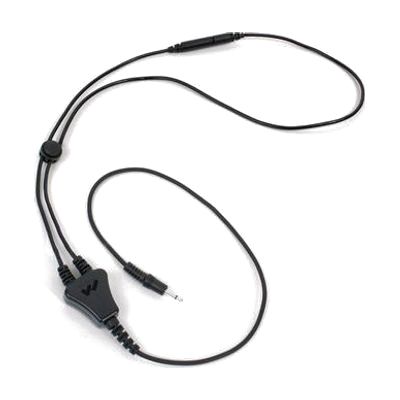
Neckloop for Pocketalker Ultra 18 Cord
Price is what the vendor listed when last checked. Confirm it with the vendor before buying.
Accessory or replacement part Made to go with another product — check it fits what you have.
What it is
Summary
AI-generated from vendor-published content · October 1, 2026
This neckloop is a cord you wear around your neck that sends sound from a listening device straight into your hearing aid. It works through the t-switch (telephone switch) on the hearing aid, so the sound comes through the aid itself instead of through headphones. You can pair it with a personal amplifier like the Pocketalker, an FM system, a TV, a stereo, a personal stereo, or a computer. The listing mentions an 18-inch regular length and a 45-inch extra-long length, so check which one you are getting. Your hearing aid needs a working t-switch, and this is only the loop, so you also need a sound source to plug it into.
Getting it
Where to get it
This is the vendor WhatCanHelp tracks for this product — it may also be available from other retailers or a local supplier, and prices vary.
Wondering how equipment like this gets paid for? See the official funding programs in your state.
Details
Quick Facts Catalog facts · auto-generated
- Addresses
- Platform
- Age range
- Complexity
- Setup with instructions
- Price
- $78.00
- Funding
- Out of pocket
What setup looks like
- Out of the box
Plug the neckloop's cord into the headphone or output jack of your amplifier, FM system, or other audio device, then place the loop around your neck. - With a guide
- Have your hearing aid's t-switch turned on or set to the telephone program. The hearing aid's manual or your audiologist can show you how.
- Adjust the volume on the audio device until speech sounds clear and comfortable. Plan on about 15-30 minutes to get the fit and volume right.
Compare & explore
Sources & fine print
Vendor facts (name, price, platforms, vendor link) sourced from Independent Living Aids — view on vendor site (opens in a new tab); last checked November 4, 2026.
Classification & description AI-generated from vendor-published content on October 1, 2026 · confidence: high. Vendor specs may lag; verify before relying on details in a clinical or funding artifact.