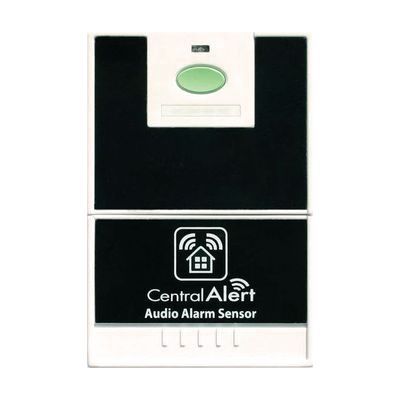
Central Alert Smoke Alarm Sound Transmitter
by Clarity
Price is what the vendor listed when last checked. Confirm it with the vendor before buying.
Accessory or replacement part Made to go with another product — check it fits what you have.
Last verified September 20, 2026 · classified April 26, 2026
What it is
Summary
AI-generated from vendor-published content · April 26, 2026
This transmitter listens for the sound of your existing smoke, gas, or carbon monoxide alarms and wirelessly sends a signal to a CentralAlert receiver unit, which can then flash lights or trigger a bed shaker to alert someone who is deaf or hard of hearing. It's designed for people who can't reliably hear standard audible alarms — particularly those who sleep without hearing aids or have significant hearing loss. This is not a standalone product; it requires a compatible CentralAlert receiver (such as the CA-360 or CA-RX) to actually deliver the alert to you. Worth noting: this is an add-on component in the CentralAlert system, not a replacement for your existing smoke detector — your home still needs working smoke alarms installed.
Quick Facts Catalog facts · auto-generated
- Medicaid waiver
- Out of pocket
What Setup Looks Like
- Out of the box
Install 2 AA batteries (not included) and press the test button to confirm the unit powers on. - With a guide
- Place the transmitter next to your existing smoke or CO alarm, or wire it directly to the alarm for more reliable detection.
- Pair the transmitter with your CentralAlert master unit (CA-360 or CA-RX) following the system's pairing instructions.
- Test the full chain: trigger your smoke alarm and confirm the receiver unit activates — expect 15–30 minutes total setup time. See manufacturer support resources for detailed instructions.
Getting it
Many states lend devices like this for free trial periods — find your state's AT lending program.
Where to Get It
This is the vendor WhatCanHelp tracks for this product — it may also be available from other retailers or a local supplier, and prices vary.
Some links may be affiliate links — WhatCanHelp may earn a small commission from purchases at no extra cost to you. More on affiliates →
As an Amazon Associate we earn from qualifying purchases.
How to Fund This
Equipment like this is often pursued through official state programs. These are common starting points — each program decides its own eligibility and what it covers, so the first step is always a phone call.
Compare & explore
Sources & fine print
Vendor facts (name, price, platforms, vendor link) sourced from Clarity — view on vendor site; last verified September 20, 2026.
Classification & description AI-generated from vendor-published content on April 26, 2026 · confidence: high. Vendor specs may lag; verify before relying on details in a clinical or funding artifact.