Nopadol Videophone Transmitter | Signaling Systems
by Nopadol
Last verified June 16, 2026 · classified May 31, 2026
What it is
Summary
AI-generated from vendor-published content · May 31, 2026
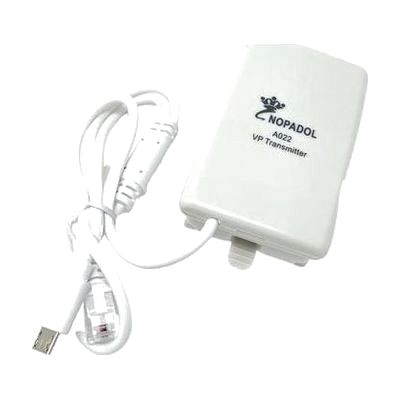
This transmitter plugs into a videophone and sends a wireless signal to a compatible Nopadol receiver — typically a strobe or lamp flasher — so someone who is deaf or hard of hearing gets a visible alert when a videophone call is coming in. It's designed for people who rely on visual alerting rather than audible ringtones, and works within a range of about 300 feet. This is not a standalone solution: you need a compatible Nopadol receiver unit to complete the system, and the transmitter alone produces no alert. Frequency codes can be adjusted to prevent cross-interference if neighbors are running similar systems.
Quick Facts Catalog facts · auto-generated
- AT Act lending
- Out of pocket
- Vocational rehab
What Setup Looks Like
- Out of the box
Connect the transmitter to your videophone's alert or ringer output port. - With a guide
- Pair the transmitter with your Nopadol receiver by matching frequency codes on both units.
- Test the signal at increasing distances to confirm 300 ft range in your space — walls and interference can reduce this.
- Allow 15–30 minutes for setup. See manufacturer support resources for detailed instructions.
Getting it
Try Before You Buy
Devices like this are often available to borrow through your state's AT Act program — typically free or low-cost — so you can try it before buying or pursuing funding.
Where to Get It
Some links may be affiliate links — WhatCanHelp may earn a small commission from purchases at no extra cost to you. More on affiliates →
How to Fund This
Equipment like this is often pursued through official state programs. These are common starting points — each program decides its own eligibility and what it covers, so the first step is always a phone call.
Compare & explore
Sources & fine print
Vendor facts (name, price, platforms, vendor link) sourced from Nopadol — view on vendor site; last verified June 16, 2026.
Classification & description AI-generated from vendor-published content on May 31, 2026 · confidence: medium. Vendor specs may lag; verify before relying on details in a clinical or funding artifact.