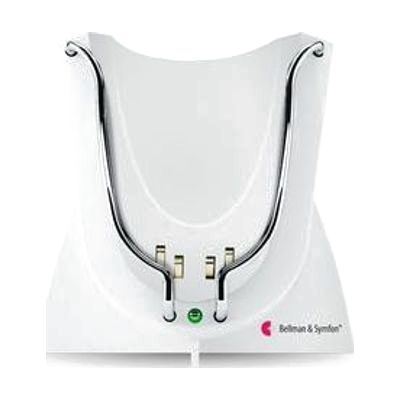
Bellman Pager Receiver Charger
Price is what the vendor listed when last checked. Confirm it with the vendor before buying.
Accessory or replacement part Made to go with another product — check it fits what you have.
Last verified September 19, 2026 · classified June 7, 2026
What it is
Summary
AI-generated from vendor-published content · June 7, 2026
This charging base is purpose-built for the Bellman & Symfon Visit Pager Receiver — a vibrating/flashing alerting device used by people who are deaf or hard of hearing. Slide the pager into the cradle, and a green LED confirms charging is active; the LED turns off when the battery is full. A key feature for nighttime use: the charger has dual 3.5mm outputs for connecting a bed shaker, so alerts from doorbells, smoke detectors, or other Visit system transmitters still wake you while the pager is docked. This is an accessory, not a standalone solution — it only works with the Bellman & Symfon Visit Pager Receiver (model 721168) and has no value without it. NiMH backup batteries keep the charger functional during power outages, which matters in an alerting context.
Quick Facts Catalog facts · auto-generated
- Out of pocket
What Setup Looks Like
- Out of the box
- Plug the included 8V power adapter into the charger base.
- Slide the Visit Pager Receiver into the cradle — green LED confirms charging has started.
- Optionally plug a bed shaker (sold separately) into one of the 3.5mm outputs for overnight alerts.
Getting it
Many states lend devices like this for free trial periods — find your state's AT lending program.
Where to Get It
This is the vendor WhatCanHelp tracks for this product — it may also be available from other retailers or a local supplier, and prices vary.
Some links may be affiliate links — WhatCanHelp may earn a small commission from purchases at no extra cost to you. More on affiliates →
As an Amazon Associate we earn from qualifying purchases.
Wondering how equipment like this gets paid for? See the official funding programs in your state.
Compare & explore
Sources & fine print
Vendor facts (name, price, platforms, vendor link) sourced from Bellman & Symfon — view on vendor site; last verified September 19, 2026.
Classification & description AI-generated from vendor-published content on June 7, 2026 · confidence: high. Vendor specs may lag; verify before relying on details in a clinical or funding artifact.