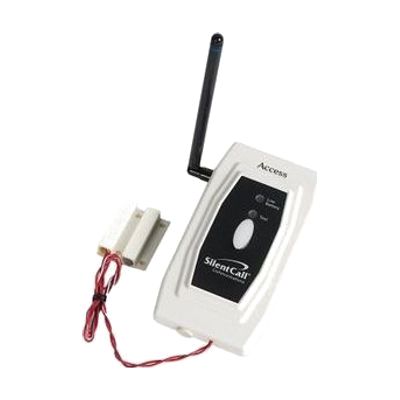
Medallion™ Series Door/Window Access Transmitter DW3-MC
$104.16 ▲ $6.81 (7%)
Price is what the vendor listed when last checked. Confirm it with the vendor before buying.
Last verified September 16, 2026 · classified April 26, 2026
What it is
Summary
AI-generated from vendor-published content · April 26, 2026
This wireless transmitter detects when a monitored door or window is opened and sends a signal to a compatible Medallion Series receiver, which can then trigger a visual flash, vibration, or other alert. It's designed for people who are deaf or hard of hearing and need a way to know when someone is entering a room or when a door has been opened without relying on sound. This is a component, not a standalone solution — it requires a separate Medallion Series receiver (sold separately) to actually deliver any alert to the user. It only covers one door or window per unit, so monitoring multiple entry points means purchasing multiple transmitters.
Quick Facts Catalog facts · auto-generated
- AT Act lending
- Medicaid waiver
- Out of pocket
What Setup Looks Like
- Out of the box
Install two AA batteries (included) into the transmitter. - With a guide
- Mount the two magnetic contact bars on the door/window and its frame using the included hardware.
- Connect the bars to the transmitter using the 24-inch wire.
- Pair the transmitter with your existing Medallion Series receiver — consult the user manual for pairing steps (approximately 15–30 minutes total). See manufacturer support resources for detailed instructions.
Getting it
Try Before You Buy
Devices like this are often available to borrow through your state's AT Act program — typically free or low-cost — so you can try it before buying or pursuing funding.
Where to Get It
This is the vendor WhatCanHelp tracks for this product — it may also be available from other retailers or a local supplier, and prices vary.
Some links may be affiliate links — WhatCanHelp may earn a small commission from purchases at no extra cost to you. More on affiliates →
As an Amazon Associate we earn from qualifying purchases.
How to Fund This
Equipment like this is often pursued through official state programs. These are common starting points — each program decides its own eligibility and what it covers, so the first step is always a phone call.
Compare & explore
Sources & fine print
Vendor facts (name, price, platforms, vendor link) sourced from Silent Call Communications — view on vendor site; last verified September 16, 2026.
Classification & description AI-generated from vendor-published content on April 26, 2026 · confidence: high. Vendor specs may lag; verify before relying on details in a clinical or funding artifact.