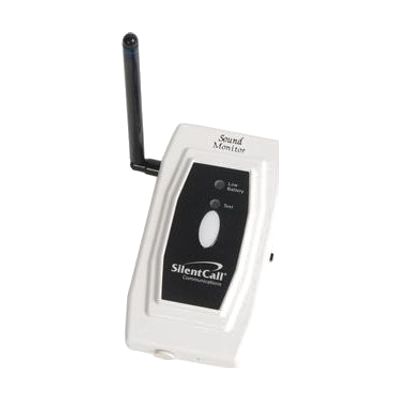
Medallion™ Series Sound Monitor (SM5-MC)
Last verified June 16, 2026 · classified April 26, 2026
What it is
Summary
AI-generated from vendor-published content · April 26, 2026
This battery-powered sound monitor sits in any room and detects noises — a baby crying, a doorbell, an alarm clock, or an oven timer — then wirelessly triggers a receiver elsewhere in the home to alert someone who can't hear the original sound. It's designed for people who are deaf or hard of hearing and need a way to stay aware of household sounds without relying on hearing them directly. The SM5-MC is a transmitter only — it requires a compatible Medallion Series receiver (sold separately) to actually deliver the visual or vibrating alert to the person. You'll need to purchase at least one Medallion Series receiver to make this system work, and the total cost of a functional setup will be higher than this unit's price alone.
Quick Facts Catalog facts · auto-generated
- AT Act lending
- Medicaid waiver
- Out of pocket
What Setup Looks Like
- Out of the box
Install AA batteries and place the monitor in the room where sounds need to be detected. - With a guide
- Pair the SM5-MC with a compatible Medallion Series receiver following the included pairing instructions.
- Adjust the sensitivity switch to set the sound threshold appropriate for your environment.
- Optionally configure the unit to detect a specific sound type (baby cry, doorbell, or telephone) using the mode selector — allow 20–30 minutes for full setup and testing. See manufacturer support resources for detailed instructions.
Getting it
Try Before You Buy
Devices like this are often available to borrow through your state's AT Act program — typically free or low-cost — so you can try it before buying or pursuing funding.
Where to Get It
Some links may be affiliate links — WhatCanHelp may earn a small commission from purchases at no extra cost to you. More on affiliates →
As an Amazon Associate we earn from qualifying purchases.
How to Fund This
Equipment like this is often pursued through official state programs. These are common starting points — each program decides its own eligibility and what it covers, so the first step is always a phone call.
Compare & explore
Sources & fine print
Vendor facts (name, price, platforms, vendor link) sourced from Silent Call Communications — view on vendor site; last verified June 16, 2026.
Classification & description AI-generated from vendor-published content on April 26, 2026 · confidence: high. Vendor specs may lag; verify before relying on details in a clinical or funding artifact.