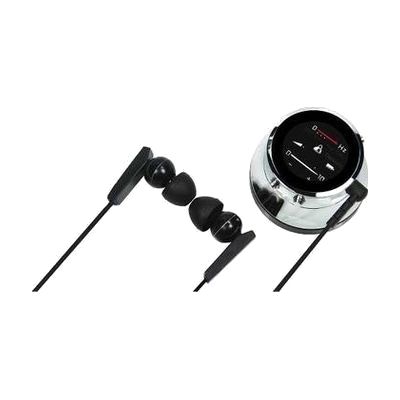
Thinklabs Digital Stethoscopes with Ambient Noise Rejection
by Thinklabs
Last verified June 16, 2026 · classified April 26, 2026
What it is
Summary
AI-generated from vendor-published content · April 26, 2026
The Thinklabs One is a high-amplification electronic stethoscope that amplifies body sounds—heart, lung, and bowel—far beyond what a traditional acoustic stethoscope can achieve, while actively filtering out background noise in busy clinical environments. It's designed for healthcare professionals with hearing loss who need to continue using a stethoscope in their clinical practice, as well as those with moderate-to-severe hearing impairment who would otherwise be unable to use a conventional stethoscope. Instead of acoustic tubing and earpieces, it uses a standard 3.5mm headphone jack, so users can plug in their own preferred headphones or even connect to hearing aid-compatible listening devices. The main tradeoff is cost—at $599 it's significantly more expensive than acoustic alternatives—and getting the most out of the filter presets and amplification settings takes some learning time to match the right profile to different clinical listening tasks.
Quick Facts Catalog facts · auto-generated
- AT Act lending
- Out of pocket
- Vocational rehab
What Setup Looks Like
- Out of the box
- Plug in the included in-ear headphones via the 3.5mm jack.
- Place the chestpiece on the patient and use the control wheel to adjust amplification level.
- Cycle through filter presets to select the appropriate frequency range for the sounds you're listening for.
- With a guide
- Review the manufacturer's guide to understand each filter preset and its clinical application (e.g., low-frequency for S3 heart sounds, higher-frequency for lung sounds).
- Set your two most-used presets as favorites for quick access during patient encounters — expect 20–30 minutes to configure and practice. See manufacturer support resources for detailed instructions.
- With professional help
- Audiologist or hearing instrument specialist can advise on compatible headphones or hearing aid accessories (e.g., neckloops, telecoil coupling) to optimize output for a specific hearing loss profile.
- Occupational health or disability services at a clinical employer may assist with workplace accommodation documentation — typically one consultation.
Getting it
Try Before You Buy
Devices like this are often available to borrow through your state's AT Act program — typically free or low-cost — so you can try it before buying or pursuing funding.
Where to Get It
Some links may be affiliate links — WhatCanHelp may earn a small commission from purchases at no extra cost to you. More on affiliates →
As an Amazon Associate we earn from qualifying purchases.
How to Fund This
Equipment like this is often pursued through official state programs. These are common starting points — each program decides its own eligibility and what it covers, so the first step is always a phone call.
Compare & explore
Sources & fine print
Vendor facts (name, price, platforms, vendor link) sourced from Thinklabs — view on vendor site; last verified June 16, 2026.
Classification & description AI-generated from vendor-published content on April 26, 2026 · confidence: high. Vendor specs may lag; verify before relying on details in a clinical or funding artifact.