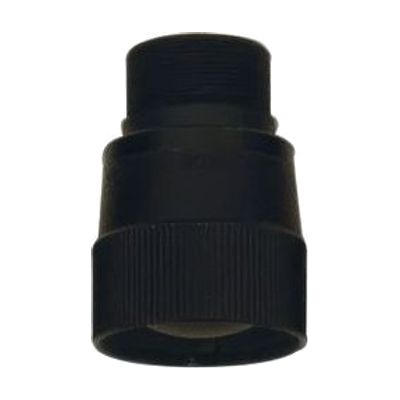
Walters Low Vision 3x19 Mini Monocular with Lock Ring
by Walters
Price is what the vendor listed when last checked. Confirm it with the vendor before buying.
Last verified September 18, 2026 · classified April 26, 2026
What it is
Summary
AI-generated from vendor-published content · April 26, 2026
This is a compact 3x magnification monocular — a small, single-eye telescope — designed specifically for people with low vision who need to see things at a distance or at an intermediate range (down to about 19 inches). It's useful for someone who struggles to read signs, menus, whiteboards, or other targets that are out of comfortable reading range, and who wants a discreet, lightweight option that can be held in the hand or mounted directly onto eyeglasses using the included lock nut. The device is sold as an optical component, not a ready-to-use system — you'll likely need additional mounting accessories (finger rings, hand grips, or spectacle clamps sold separately) and ideally guidance from a low vision optometrist to determine whether 3x is the right magnification for your specific needs. At under an inch in diameter and weighing less than an ounce, it's extremely portable, but selecting the wrong power level without professional input is a common and costly mistake with monoculars.
Quick Facts Catalog facts · auto-generated
- AT Act lending
- Insurance
- Out of pocket
- Vocational rehab
What Setup Looks Like
- Out of the box
Hold the monocular up to one eye and focus by rotating the barrel until the target is clear — works right away as a handheld device. - With a guide
- If mounting to spectacles, thread the lock nut onto the monocular barrel and position it in the lens carrier or spectacle mount.
- Adjust the focal position for your dominant eye and typical viewing task (expect 15–30 minutes with instructions). See manufacturer support resources for detailed instructions.
- With professional help
- A low vision optometrist or certified low vision therapist (CLVT) should assess whether 3x magnification matches your visual acuity and intended tasks before purchase.
- If mounting to eyeglasses, a dispensing optician or low vision specialist can fit the monocular to the correct position on the lens — typically done in one clinic visit.
Getting it
Try Before You Buy
Devices like this are often available to borrow through your state's AT Act program — typically free or low-cost — so you can try it before buying or pursuing funding.
Where to Get It
This is the vendor WhatCanHelp tracks for this product — it may also be available from other retailers or a local supplier, and prices vary.
Some links may be affiliate links — WhatCanHelp may earn a small commission from purchases at no extra cost to you. More on affiliates →
As an Amazon Associate we earn from qualifying purchases.
How to Fund This
Equipment like this is often pursued through official state programs. These are common starting points — each program decides its own eligibility and what it covers, so the first step is always a phone call.
Compare & explore
Sources & fine print
Vendor facts (name, price, platforms, vendor link) sourced from Walters — view on vendor site; last verified September 18, 2026.
Classification & description AI-generated from vendor-published content on April 26, 2026 · confidence: high. Vendor specs may lag; verify before relying on details in a clinical or funding artifact.