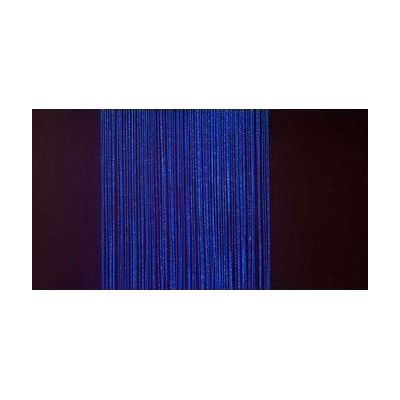
Fiber Optic Curtain
Last verified June 20, 2026 · classified April 26, 2026
What it is
Summary
AI-generated from vendor-published content · April 26, 2026
This is a large fiber optic light display — 66 individual strands of color-changing fiber hang 6 feet down from a 3-foot aluminum tube, creating a curtain of soft, shifting light that you can walk through or stand beneath. It's designed for sensory rooms, calming spaces, or stimulating environments used with people who have autism, sensory processing differences, profound intellectual disabilities, or other conditions that benefit from controlled visual and tactile input. The kit includes the tube, fiber harness, color wheel, and mounting hardware, so it's a fairly complete setup — though you'll need a wall or doorway to mount it and a nearby AC outlet. At over 12 pounds and $1,300, this is a significant investment intended for dedicated sensory spaces rather than casual home use, and some users may find the color-change cycle difficult to control precisely without removing the color wheel entirely.
Quick Facts Catalog facts · auto-generated
- AT Act lending
- Medicaid waiver
- Out of pocket
- School district
What Setup Looks Like
- Out of the box
Plug the unit into an AC outlet to confirm it powers on and lights activate. - With a guide
- Mount the aluminum tube to a wall or doorway using the included brackets and installation instructions.
- Attach the fiber harness to the tube and route fibers into the desired curtain configuration.
- Install or remove the color wheel based on the desired color effect (cycling vs. static).
- Full installation typically takes 30–60 minutes with two people. See manufacturer support resources for detailed instructions.
- With professional help
- An occupational therapist (OT) or sensory room specialist can advise on placement, lighting conditions, and how to integrate this into a broader sensory diet or therapeutic environment.
- Expect a consultation of 1–2 sessions to optimize use for specific individuals.
Getting it
Try Before You Buy
Devices like this are often available to borrow through your state's AT Act program — typically free or low-cost — so you can try it before buying or pursuing funding.
Where to Get It
Some links may be affiliate links — WhatCanHelp may earn a small commission from purchases at no extra cost to you. More on affiliates →
As an Amazon Associate we earn from qualifying purchases.
How to Fund This
Equipment like this is often pursued through official state programs. These are common starting points — each program decides its own eligibility and what it covers, so the first step is always a phone call.
Compare & explore
Sources & fine print
Vendor facts (name, price, platforms, vendor link) sourced from Enabling Devices — view on vendor site; last verified June 20, 2026.
Classification & description AI-generated from vendor-published content on April 26, 2026 · confidence: high. Vendor specs may lag; verify before relying on details in a clinical or funding artifact.