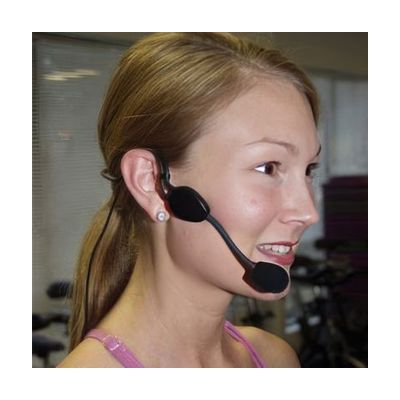
ChatterVox Sport Voice Amplifier
by ChatterVox
Price is what the vendor listed when last checked. Confirm it with the vendor before buying.
Last verified September 18, 2026 · classified April 26, 2026
What it is
Summary
AI-generated from vendor-published content · April 26, 2026
The ChatterVox Sport is a wearable voice amplifier worn in a waist pack that picks up speech through a headset microphone and boosts it by up to 15dB through a built-in speaker — enough to make quiet or weakened voices heard clearly in conversation without straining. It's a good fit for people whose vocal volume has been reduced by conditions like Parkinson's disease, laryngeal surgery, or chronic voice fatigue, whether the limitation is temporary or permanent. The package is fairly complete out of the box: it includes the amplifier unit, headset microphone, rechargeable batteries, charger, and a neoprene carry pouch — so most users can get started without buying extras. One honest caveat: the waistband tops out at 42 inches, which may not work for everyone, and users of esophageal speech or electrolarynx devices (like a Servox) who want the optional neck transdermal microphone will need to purchase that separately.
Quick Facts Catalog facts · auto-generated
- AT Act lending
- Medicaid waiver
- Out of pocket
- Vocational rehab
What Setup Looks Like
- Out of the box
- Attach the waist pack to your belt or waistband and plug in the included headset microphone.
- Insert the included rechargeable batteries (or charge them overnight first) and power on the unit.
- Speak normally — adjust the volume dial to a comfortable amplification level.
- With a guide
- Review the user manual for optimal microphone placement relative to your mouth for best pickup.
- If using with an electrolarynx or esophageal speech, consult the manual on sourcing and attaching the optional neck transdermal microphone — approximately 15–30 minutes to configure. See manufacturer support resources for detailed instructions.
- With professional help
- A speech-language pathologist (SLP) can help determine whether a voice amplifier is the right intervention versus voice therapy, and can recommend the best microphone style for your specific voice condition.
- For users with Parkinson's or post-surgical voice changes, an initial SLP consultation of 1–2 sessions is recommended to integrate the device into a broader communication plan.
Getting it
Try Before You Buy
Devices like this are often available to borrow through your state's AT Act program — typically free or low-cost — so you can try it before buying or pursuing funding.
Where to Get It
This is the vendor WhatCanHelp tracks for this product — it may also be available from other retailers or a local supplier, and prices vary.
Some links may be affiliate links — WhatCanHelp may earn a small commission from purchases at no extra cost to you. More on affiliates →
As an Amazon Associate we earn from qualifying purchases.
How to Fund This
Equipment like this is often pursued through official state programs. These are common starting points — each program decides its own eligibility and what it covers, so the first step is always a phone call.
Compare & explore
Sources & fine print
Vendor facts (name, price, platforms, vendor link) sourced from ChatterVox — view on vendor site; last verified September 18, 2026.
Classification & description AI-generated from vendor-published content on April 26, 2026 · confidence: high. Vendor specs may lag; verify before relying on details in a clinical or funding artifact.