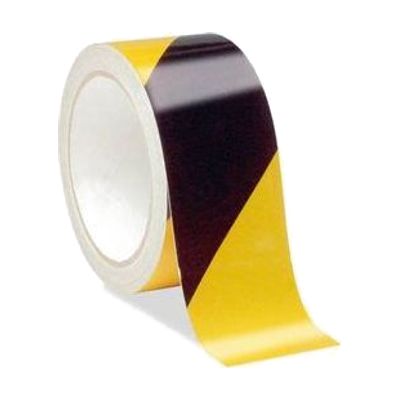
Low Vision Reflective Tape- Black and Yellow Striped
by MaxiAids
Price is what the vendor listed when last checked. Confirm it with the vendor before buying.
Last verified September 18, 2026 · classified April 26, 2026
What it is
Summary
AI-generated from vendor-published content · April 26, 2026
This is a 2-inch-wide, 10-yard roll of high-visibility black and yellow striped reflective tape designed to mark edges, corners, poles, and other hazards that are difficult to see. It's useful for people with low vision who benefit from high-contrast visual cues to navigate their environment safely — marking a step edge, a door frame, a counter corner, or a hallway obstacle can meaningfully reduce falls and collisions. This is a standalone, self-contained product — you peel and stick it, no tools or additional equipment needed. Reflective tape works best in environments where some light source activates the reflective quality; in dim interior spaces, it functions more as a high-contrast marker than a reflective surface.
Quick Facts Catalog facts · auto-generated
- AT Act lending
- Out of pocket
What Setup Looks Like
- Out of the box
- Clean and dry the surface where tape will be applied.
- Cut tape to desired length and peel the backing.
- Press firmly onto the edge, corner, or hazard you want to mark — adheres immediately.
Getting it
Try Before You Buy
Devices like this are often available to borrow through your state's AT Act program — typically free or low-cost — so you can try it before buying or pursuing funding.
Where to Get It
This is the vendor WhatCanHelp tracks for this product — it may also be available from other retailers or a local supplier, and prices vary.
Some links may be affiliate links — WhatCanHelp may earn a small commission from purchases at no extra cost to you. More on affiliates →
As an Amazon Associate we earn from qualifying purchases.
Wondering how equipment like this gets paid for? See the official funding programs in your state.
Compare & explore
Sources & fine print
Vendor facts (name, price, platforms, vendor link) sourced from MaxiAids — view on vendor site; last verified September 18, 2026.
Classification & description AI-generated from vendor-published content on April 26, 2026 · confidence: high. Vendor specs may lag; verify before relying on details in a clinical or funding artifact.