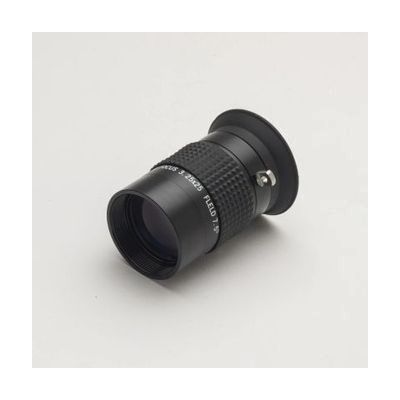
Walters 3.25x25 Monocular
by Walters
Price is what the vendor listed when last checked. Confirm it with the vendor before buying.
Last verified September 19, 2026 · classified April 26, 2026
What it is
Summary
AI-generated from vendor-published content · April 26, 2026
This is a small, lightweight monocular telescope that provides 3.25x magnification for people with low vision who need to see things at a distance — reading signs, menus, or a whiteboard — without holding something up to their eye the whole time. It's designed for someone who wants hands-free use, since it can be mounted directly onto an existing pair of eyeglasses using a separate clamp adapter. What you're getting is the monocular itself; the spectacle-mounting clamp (model A2005) is sold separately and is required for hands-free use — without it, this is a handheld monocular. At 3.25x, this is a relatively modest magnification level, so people who need stronger magnification for distance tasks should look at higher-power options before purchasing.
Quick Facts Catalog facts · auto-generated
- AT Act lending
- Out of pocket
- Vocational rehab
What Setup Looks Like
- Out of the box
Hold the monocular up to one eye and focus on a distant target — usable right out of the box as a handheld device. - With a guide
- Purchase the separate spectacle-mounting clamp (A2005) for hands-free use.
- Follow clamp instructions to attach the monocular to your existing eyeglass frame — allow 15–30 minutes for fitting and adjustment.
- Practice using the monocular in real-world settings (distance reading, spotting) to confirm the magnification level meets your needs. See manufacturer support resources for detailed instructions.
- With professional help
- A low vision optometrist or certified low vision therapist (CLVT) can verify that 3.25x is the appropriate magnification for your specific acuity and tasks.
- A CLVT can also ensure proper positioning on the spectacle frame to avoid posture or eye strain issues — typically one appointment of 30–60 minutes.
Getting it
Try Before You Buy
Devices like this are often available to borrow through your state's AT Act program — typically free or low-cost — so you can try it before buying or pursuing funding.
Where to Get It
This is the vendor WhatCanHelp tracks for this product — it may also be available from other retailers or a local supplier, and prices vary.
Some links may be affiliate links — WhatCanHelp may earn a small commission from purchases at no extra cost to you. More on affiliates →
As an Amazon Associate we earn from qualifying purchases.
How to Fund This
Equipment like this is often pursued through official state programs. These are common starting points — each program decides its own eligibility and what it covers, so the first step is always a phone call.
Compare & explore
Sources & fine print
Vendor facts (name, price, platforms, vendor link) sourced from Walters — view on vendor site; last verified September 19, 2026.
Classification & description AI-generated from vendor-published content on April 26, 2026 · confidence: high. Vendor specs may lag; verify before relying on details in a clinical or funding artifact.