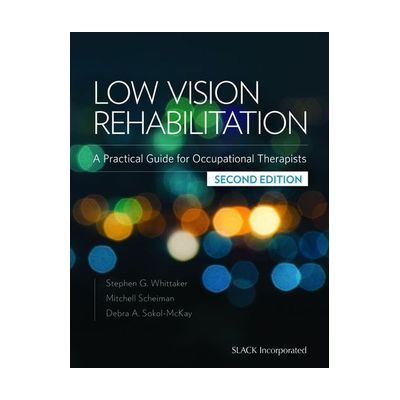
Low Vision Rehabilitation A Practical Guide for Occupational Therapists
by LS&S
Price is what the vendor listed when last checked. Confirm it with the vendor before buying.
Last verified September 19, 2026 · classified April 26, 2026
What it is
Summary
AI-generated from vendor-published content · April 26, 2026
This is a professional textbook written for occupational therapists who work with adults who have low vision, covering assessment approaches and treatment planning within a vision rehabilitation team model. It bridges clinical standards developed over decades with current research, focusing on how OTs can help clients maintain meaningful daily activities despite vision loss. The book is a standalone reference — no accompanying software or equipment needed — and it covers much of the content tested on the ACVREP low vision certification and AOTA low vision specialty exams. Therapists in general practice settings should know this text is written at a clinical level and assumes a foundational OT background, so it's not a useful resource for people with low vision themselves or their families.
Quick Facts Catalog facts · auto-generated
- Out of pocket
- Vocational rehab
What Setup Looks Like
- Out of the box
Open and read — this is a print textbook requiring no setup.
Getting it
Many states lend devices like this for free trial periods — find your state's AT lending program.
Where to Get It
This is the vendor WhatCanHelp tracks for this product — it may also be available from other retailers or a local supplier, and prices vary.
Some links may be affiliate links — WhatCanHelp may earn a small commission from purchases at no extra cost to you. More on affiliates →
As an Amazon Associate we earn from qualifying purchases.
How to Fund This
Equipment like this is often pursued through official state programs. These are common starting points — each program decides its own eligibility and what it covers, so the first step is always a phone call.
Compare & explore
Sources & fine print
Vendor facts (name, price, platforms, vendor link) sourced from LS&S — view on vendor site; last verified September 19, 2026.
Classification & description AI-generated from vendor-published content on April 26, 2026 · confidence: high. Vendor specs may lag; verify before relying on details in a clinical or funding artifact.