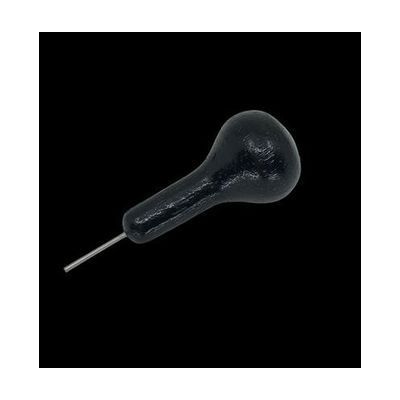
Standard Wooden Stylus
by LS&S
Last verified June 18, 2026 · classified April 26, 2026
What it is
Summary
AI-generated from vendor-published content · April 26, 2026
This is a small hand-held tool used to press individual dots into paper when writing Braille by hand with a slate and stylus — the traditional, low-tech method of Braille writing. It's designed for blind or low-vision users who know Braille and want a simple, portable way to write it without electronic equipment. At about 2.25 inches long with a rounded wooden knob handle, this is a complete, ready-to-use tool — no batteries, apps, or accessories required, just a Braille slate and paper. The main thing to know is that writing Braille with a slate and stylus requires knowing the Braille code and the mirror-image technique, so this is a tool for someone already trained in Braille, not a learning aid.
Quick Facts Catalog facts · auto-generated
- AT Act lending
- Out of pocket
- School district
- Vocational rehab
What Setup Looks Like
- Out of the box
- Pair with a Braille slate and Braille paper.
- Press the tip into each cell of the slate to emboss dots — no setup required.
Getting it
Try Before You Buy
Devices like this are often available to borrow through your state's AT Act program — typically free or low-cost — so you can try it before buying or pursuing funding.
Where to Get It
Some links may be affiliate links — WhatCanHelp may earn a small commission from purchases at no extra cost to you. More on affiliates →
As an Amazon Associate we earn from qualifying purchases.
How to Fund This
Equipment like this is often pursued through official state programs. These are common starting points — each program decides its own eligibility and what it covers, so the first step is always a phone call.
Compare & explore
Sources & fine print
Vendor facts (name, price, platforms, vendor link) sourced from LS&S — view on vendor site; last verified June 18, 2026.
Classification & description AI-generated from vendor-published content on April 26, 2026 · confidence: high. Vendor specs may lag; verify before relying on details in a clinical or funding artifact.