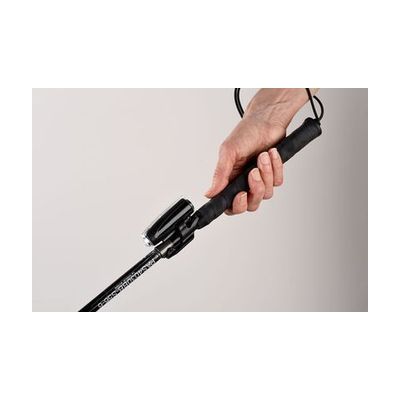
Mobility Cane Lite
by LS&S
Price is what the vendor listed when last checked. Confirm it with the vendor before buying.
Accessory or replacement part Made to go with another product — check it fits what you have.
Last verified September 20, 2026 · classified April 26, 2026
What it is
Summary
AI-generated from vendor-published content · April 26, 2026
This is a small LED light that clips onto the shaft of a standard white mobility cane, adding illumination to the area directly in front of the user when walking in low-light conditions. It's designed for blind or low-vision cane users who navigate in dim environments — indoors at night, on poorly lit sidewalks, or in parking areas — where seeing obstacles before the cane tip reaches them matters. The clip-on unit runs on a single included AA battery and attaches to the thinner shafts found on standard white mobility canes (a different model is available for thicker support canes). This is purely a lighting accessory — it doesn't replace proper cane technique or orientation and mobility training, and the beam illuminates in front of the user rather than providing 360-degree visibility.
Quick Facts Catalog facts · auto-generated
- Out of pocket
What Setup Looks Like
- Out of the box
- Clip the light onto the shaft of your white mobility cane.
- Insert the included AA battery if not pre-installed.
- Switch on to activate the LED beam — ready to use immediately.
Getting it
Many states lend devices like this for free trial periods — find your state's AT lending program.
Where to Get It
These are the vendors WhatCanHelp tracks for this product — it may also be available from other retailers or a local supplier, and prices vary.
Some links may be affiliate links — WhatCanHelp may earn a small commission from purchases at no extra cost to you. More on affiliates →
As an Amazon Associate we earn from qualifying purchases.
Wondering how equipment like this gets paid for? See the official funding programs in your state.
Compare & explore
Sources & fine print
Vendor facts (name, price, platforms, vendor link) sourced from LS&S — view on vendor site; last verified September 20, 2026.
Classification & description AI-generated from vendor-published content on April 26, 2026 · confidence: high. Vendor specs may lag; verify before relying on details in a clinical or funding artifact.