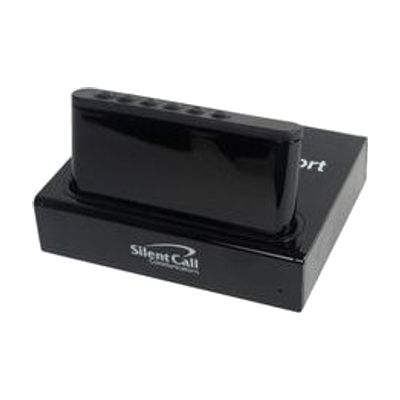
Vibra-Call3 Body-Worn Receiver
Price is what the vendor listed when last checked. Confirm it with the vendor before buying.
Last verified September 19, 2026 · classified April 26, 2026
What it is
Summary
AI-generated from vendor-published content · April 26, 2026
The Vibra-Call3 is a body-worn pager that translates incoming household alerts — doorbells, phone calls, smoke alarms, weather alerts — into distinct vibration patterns so the wearer can tell them apart without hearing or seeing a visual flasher. It's designed specifically for people who are DeafBlind or who have both significant hearing and vision loss and need an alert system that works when they can't rely on flashing lights. The package includes a bed vibrator for overnight use, so alerts continue while the receiver is docked and charging. This is one receiver in Silent Call's Medallion Series system — it needs compatible Silent Call transmitters (sold separately) placed at each alert source, such as the doorbell or smoke detector, to actually function.
Quick Facts Catalog facts · auto-generated
- AT Act lending
- Medicaid waiver
- Out of pocket
- Vocational rehab
What Setup Looks Like
- Out of the box
Clip the receiver to a belt or waistband — vibration alerts will work once paired transmitters are installed. - With a guide
- Identify all household alert sources to be monitored (doorbell, phone, smoke alarm, etc.).
- Purchase and install compatible Silent Call Medallion Series transmitters at each location.
- Pair each transmitter to the receiver following the pairing instructions and confirm each vibration pattern is distinct — allow 1–2 hours for full setup. See manufacturer support resources for detailed instructions.
- With professional help
- A hearing loss specialist, independent living specialist, or DeafBlind services professional can assess the full alert system needs, recommend appropriate transmitter combinations, and verify coverage throughout the home.
- Coordination with a specialist is especially recommended for fire/smoke alert integration to ensure life-safety compliance — expect one consultation session.
Getting it
Try Before You Buy
Devices like this are often available to borrow through your state's AT Act program — typically free or low-cost — so you can try it before buying or pursuing funding.
Where to Get It
This is the vendor WhatCanHelp tracks for this product — it may also be available from other retailers or a local supplier, and prices vary.
Some links may be affiliate links — WhatCanHelp may earn a small commission from purchases at no extra cost to you. More on affiliates →
As an Amazon Associate we earn from qualifying purchases.
How to Fund This
Equipment like this is often pursued through official state programs. These are common starting points — each program decides its own eligibility and what it covers, so the first step is always a phone call.
Compare & explore
Sources & fine print
Vendor facts (name, price, platforms, vendor link) sourced from Silent Call Communications — view on vendor site; last verified September 19, 2026.
Classification & description AI-generated from vendor-published content on April 26, 2026 · confidence: high. Vendor specs may lag; verify before relying on details in a clinical or funding artifact.