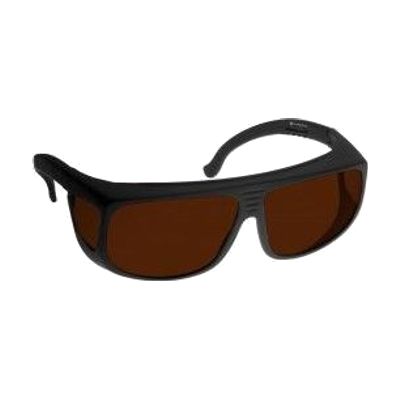
NoIR 3% Dark Amber SpectraShield Large 407-38
by NoIR Medical
$110.00 ▲ $10.05 (10%)
Price is what the vendor listed when last checked. Confirm it with the vendor before buying.
Last verified September 20, 2026 · classified April 26, 2026
What it is
Summary
AI-generated from vendor-published content · April 26, 2026
These are deeply tinted amber-filter sunglasses designed specifically for people with severe light sensitivity, allowing only 3% of visible light through while blocking 100% of UV and filtering infrared as well. They're intended for people who experience significant photophobia — such as those with retinitis pigmentosa, albinism, or certain post-surgical conditions — where standard sunglasses simply don't block enough light. The SpectraShield frame wraps around with a top ridge and integrated side shields to prevent light from entering at the edges, and they fit over most prescription glasses. At 3% transmission, these are among the darkest filters in the NoIR line, so they're not appropriate for low-light environments — they're for very bright outdoor settings or intense artificial lighting conditions.
Quick Facts Catalog facts · auto-generated
- Medicaid waiver
- Out of pocket
- Vocational rehab
What Setup Looks Like
- Out of the box
- Put on over your own glasses or alone — no setup required.
- Wear in bright sunlight or high-glare environments for immediate light reduction.
Getting it
Many states lend devices like this for free trial periods — find your state's AT lending program.
Where to Get It
This is the vendor WhatCanHelp tracks for this product — it may also be available from other retailers or a local supplier, and prices vary.
Some links may be affiliate links — WhatCanHelp may earn a small commission from purchases at no extra cost to you. More on affiliates →
As an Amazon Associate we earn from qualifying purchases.
How to Fund This
Equipment like this is often pursued through official state programs. These are common starting points — each program decides its own eligibility and what it covers, so the first step is always a phone call.
Compare & explore
Sources & fine print
Vendor facts (name, price, platforms, vendor link) sourced from NoIR Medical — view on vendor site; last verified September 20, 2026.
Classification & description AI-generated from vendor-published content on April 26, 2026 · confidence: high. Vendor specs may lag; verify before relying on details in a clinical or funding artifact.