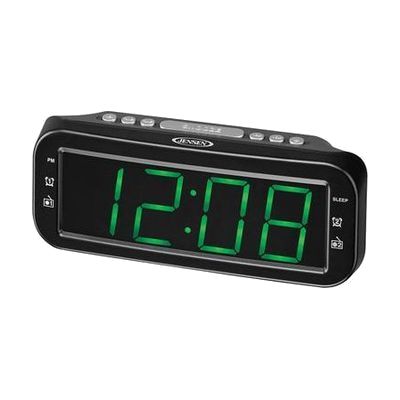
Electric Clock Radio with 1.8" Display
Last verified June 19, 2026 · classified April 26, 2026
What it is
Summary
AI-generated from vendor-published content · April 26, 2026
This is a bedside AM/FM clock radio with a 1.8-inch green LED display designed to be readable at a distance or by people with reduced visual acuity. It's a good fit for someone who struggles to read standard small-digit alarm clocks — particularly older adults or anyone with mild to moderate low vision who wants a simple, familiar bedside solution. You get a complete, plug-in unit with dual alarms, preset radio stations, a dimmer control, and battery backup for the clock — nothing else required to use it. The 1.8-inch display is large compared to typical clock radios but is modest compared to dedicated large-print clocks, so it may not be sufficient for people with significant vision loss.
Quick Facts Catalog facts · auto-generated
- AT Act lending
- Out of pocket
What Setup Looks Like
- Out of the box
- Plug into standard 120V AC outlet.
- Insert 2 AAA batteries (not included) for clock backup.
- Set the time and configure up to 2 alarm times using the front panel controls.
- Use hi/low dimmer to adjust display brightness for comfortable viewing.
Getting it
Try Before You Buy
Devices like this are often available to borrow through your state's AT Act program — typically free or low-cost — so you can try it before buying or pursuing funding.
Where to Get It
Some links may be affiliate links — WhatCanHelp may earn a small commission from purchases at no extra cost to you. More on affiliates →
As an Amazon Associate we earn from qualifying purchases.
Wondering how equipment like this gets paid for? See the official funding programs in your state.
Compare & explore
Sources & fine print
Vendor facts (name, price, platforms, vendor link) sourced from Independent Living Aids — view on vendor site; last verified June 19, 2026.
Classification & description AI-generated from vendor-published content on April 26, 2026 · confidence: high. Vendor specs may lag; verify before relying on details in a clinical or funding artifact.