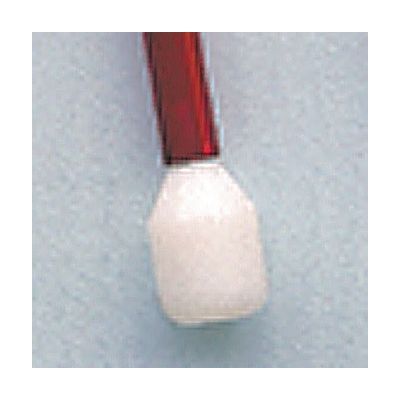
Ambutech High Mileage Cane Tip, Hook Style
by Ambutech
Price is what the vendor listed when last checked. Confirm it with the vendor before buying.
Accessory or replacement part Made to go with another product — check it fits what you have.
Last verified September 20, 2026 · classified April 26, 2026
What it is
Summary
AI-generated from vendor-published content · April 26, 2026
This is a replacement hook-style tip designed to fit on the bottom of a white cane used by people who are blind or have low vision. The hook style allows the cane to hang securely on a table edge, countertop, or chair arm when not in active use, preventing it from falling. It's made for people who rely on a white cane for navigation and need a durable, high-mileage tip that resists wear on pavement and other hard surfaces. This is a replacement part only — it requires a compatible Ambutech cane shaft; check your cane's tip diameter before ordering, as tips come in different sizes.
Quick Facts Catalog facts · auto-generated
- Out of pocket
What Setup Looks Like
- Out of the box
- Remove the old worn tip by pulling or twisting it off the cane shaft.
- Press the new hook-style tip firmly onto the cane shaft until seated securely.
- Test that the tip is snug before using the cane for travel.
Getting it
Many states lend devices like this for free trial periods — find your state's AT lending program.
Where to Get It
This is the vendor WhatCanHelp tracks for this product — it may also be available from other retailers or a local supplier, and prices vary.
Some links may be affiliate links — WhatCanHelp may earn a small commission from purchases at no extra cost to you. More on affiliates →
As an Amazon Associate we earn from qualifying purchases.
Wondering how equipment like this gets paid for? See the official funding programs in your state.
Compare & explore
Sources & fine print
Vendor facts (name, price, platforms, vendor link) sourced from Ambutech — view on vendor site; last verified September 20, 2026.
Classification & description AI-generated from vendor-published content on April 26, 2026 · confidence: high. Vendor specs may lag; verify before relying on details in a clinical or funding artifact.