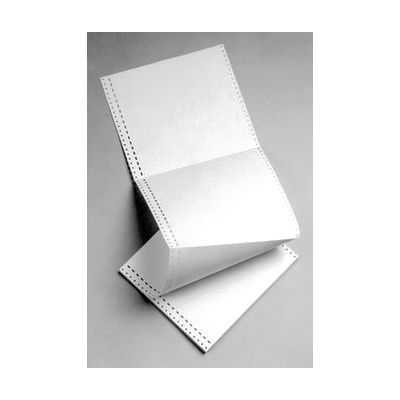
White Fanfold Tractor-Feed Braille Transcribing Paper: 11.5 x 11 Inches, Unpunched
by American Printing House for the Blind
$89.00 ▲ $45.22 (103%)
Last verified July 30, 2026 · classified May 23, 2026
What it is
Summary
AI-generated from vendor-published content · May 23, 2026
This is tractor-feed fanfold paper specifically designed for braille embossers — the continuous, perforated sheets feed through a braille printer the same way old dot-matrix paper fed through a computer printer. Each pack contains approximately 1,000 sheets at 11.5 x 11 inches, sized for standard braille embosser specifications. It's a consumable supply for anyone producing braille documents at home, in a school, or at a braille transcription center. The paper is unpunched, meaning it doesn't have pre-punched binding holes, so it's best suited for loose documents or projects that will be bound separately — not a limitation for most transcription work, but worth confirming before ordering if your workflow requires punched output.
Quick Facts Catalog facts · auto-generated
- Out of pocket
- School district
- Vocational rehab
What Setup Looks Like
- Out of the box
Load the fanfold paper into your braille embosser's tractor-feed mechanism and begin printing.
Getting it
Many states lend devices like this for free trial periods — find your state's AT lending program.
Where to Get It
This is the vendor WhatCanHelp tracks for this product — it may also be available from other retailers or a local supplier, and prices vary.
Some links may be affiliate links — WhatCanHelp may earn a small commission from purchases at no extra cost to you. More on affiliates →
As an Amazon Associate we earn from qualifying purchases.
How to Fund This
Equipment like this is often pursued through official state programs. These are common starting points — each program decides its own eligibility and what it covers, so the first step is always a phone call.
Compare & explore
Sources & fine print
Vendor facts (name, price, platforms, vendor link) sourced from American Printing House for the Blind — view on vendor site; last verified July 30, 2026.
Classification & description AI-generated from vendor-published content on May 23, 2026 · confidence: high. Vendor specs may lag; verify before relying on details in a clinical or funding artifact.