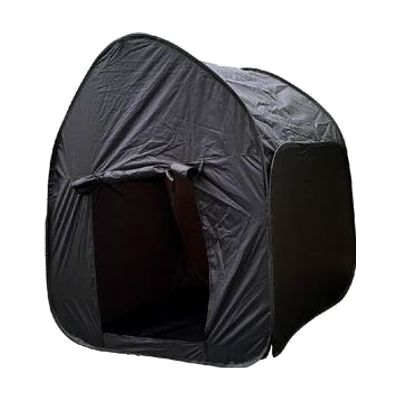
Sensory Pop-Up Tent
Price is what the vendor listed when last checked. Confirm it with the vendor before buying.
Last verified September 16, 2026 · classified April 26, 2026
What it is
Summary
AI-generated from vendor-published content · April 26, 2026
This is a blackout pop-up tent designed to create a darkened, enclosed space for sensory experiences — blocking out ambient light so that fiber optic strands, projectors, bubble tubes, and other light-based sensory tools have maximum visual impact. It's particularly useful for children or individuals with autism, sensory processing differences, or significant cognitive/visual impairments who benefit from a defined, low-distraction environment for calming or stimulation activities. The tent itself is the enclosure only — you'll need to source sensory equipment like projectors or fiber optics separately to get the full sensory room effect. Because it's a pop-up design, assembly requires no tools and it collapses for transport, making it practical for school therapy rooms, clinics, or home use.
Quick Facts Catalog facts · auto-generated
- AT Act lending
- Medicaid waiver
- Out of pocket
- School district
What Setup Looks Like
- Out of the box
- Unpack the tent and allow it to pop open — no tools or assembly steps required.
- Position it in a clear floor space with enough room for the expanded footprint.
- With a guide
- Place sensory equipment (projector, fiber optics, etc.) inside or directed into the tent before use.
- Review manufacturer guidelines for maximum occupancy and ventilation to ensure safe use — allow 15–20 minutes to configure equipment and test the environment.
Getting it
Try Before You Buy
Devices like this are often available to borrow through your state's AT Act program — typically free or low-cost — so you can try it before buying or pursuing funding.
Where to Get It
This is the vendor WhatCanHelp tracks for this product — it may also be available from other retailers or a local supplier, and prices vary.
Some links may be affiliate links — WhatCanHelp may earn a small commission from purchases at no extra cost to you. More on affiliates →
As an Amazon Associate we earn from qualifying purchases.
How to Fund This
Equipment like this is often pursued through official state programs. These are common starting points — each program decides its own eligibility and what it covers, so the first step is always a phone call.
Compare & explore
Sources & fine print
Vendor facts (name, price, platforms, vendor link) sourced from Inclusive Technology — view on vendor site; last verified September 16, 2026.
Classification & description AI-generated from vendor-published content on April 26, 2026 · confidence: high. Vendor specs may lag; verify before relying on details in a clinical or funding artifact.