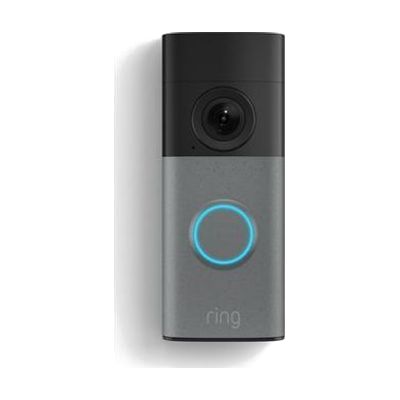
Wired Doorbell (2nd Gen) — Doorbell Camera
$79.99 ▲ $40.00 (100%)
Last verified July 28, 2026 · classified June 7, 2026
What it is
Summary
AI-generated from vendor-published content · June 7, 2026
The Ring Wired Doorbell (2nd Gen) is a hardwired front-door camera that sends real-time video and audio alerts to a smartphone whenever someone rings the bell or triggers motion detection. For someone who is Deaf or hard of hearing, it replaces the need to hear a doorbell — notifications arrive visually on a phone, tablet, or paired smart display, and two-way talk lets you communicate with whoever is at the door without opening it. It's also useful for people with mobility limitations who can't easily get to the door quickly. This is a complete solution in terms of hardware, but it requires a smartphone and the free Ring app to function, and an optional Ring Protect subscription (sold separately) is needed to save and review video footage. Installation involves working with existing doorbell wiring and your electrical panel — professional installation is available through Ring if that's a barrier.
Quick Facts Catalog facts · auto-generated
- AT Act lending
- Out of pocket
- Vocational rehab
What Setup Looks Like
- Out of the box
Download the Ring app on iOS or Android — live view and alerts work once setup is complete. - With a guide
- Turn off power at the breaker, disconnect the existing doorbell button, and connect existing wiring to the back of the Ring device.
- Mount the unit to your home, attach the faceplate, restore power, and complete pairing in the Ring app (30–60 minutes total).
- See manufacturer support resources for detailed instructions.
- With professional help
- If existing wiring is incompatible or absent, an electrician or Ring's professional installation service can handle wiring modifications.
- Accessibility specialists (e.g., OT or deaf services coordinator) can help pair this with smart home alerting systems like flashing lights or bed shakers for comprehensive doorbell access.
Getting it
Try Before You Buy
Devices like this are often available to borrow through your state's AT Act program — typically free or low-cost — so you can try it before buying or pursuing funding.
Where to Get It
This is the vendor WhatCanHelp tracks for this product — it may also be available from other retailers or a local supplier, and prices vary.
Some links may be affiliate links — WhatCanHelp may earn a small commission from purchases at no extra cost to you. More on affiliates →
As an Amazon Associate we earn from qualifying purchases.
How to Fund This
Equipment like this is often pursued through official state programs. These are common starting points — each program decides its own eligibility and what it covers, so the first step is always a phone call.
Compare & explore
Sources & fine print
Vendor facts (name, price, platforms, vendor link) sourced from Ring (Amazon) — view on vendor site; last verified July 28, 2026.
Classification & description AI-generated from vendor-published content on June 7, 2026 · confidence: high. Vendor specs may lag; verify before relying on details in a clinical or funding artifact.