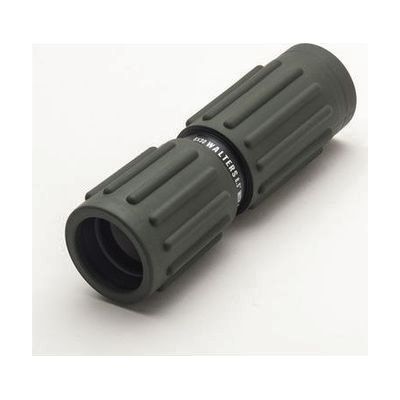
Walters 8x30 Rubber Coated Monocular
by Walters
Price is what the vendor listed when last checked. Confirm it with the vendor before buying.
What it is
Summary
AI-generated from vendor-published content · October 1, 2026
This is an 8x monocular, a small handheld telescope you hold to one eye to see distant things up close, like signs, bus numbers, or a whiteboard across a room. It also focuses close, down to about 19.5 inches, so it can help with reading things that sit a little way off. It has a rubber coating and weighs 7 ounces, and at 5-1/4 inches long it's easy to carry. A case and neck strap come with it. The field of view is narrow (8.5°), so finding and holding on to a target takes some practice.
Getting it
Try before you buy
Devices like this are often available to borrow through your state's AT Act program — typically free or low-cost — so you can try it before buying or pursuing funding.
Where to get it
This is the vendor WhatCanHelp tracks for this product — it may also be available from other retailers or a local supplier, and prices vary.
How to fund this
These are common places to ask about paying for equipment like this. Each one decides its own eligibility and what it covers, so start by asking them.
Details
Quick Facts Catalog facts · auto-generated
- Addresses
- Platform
- Age range
- Complexity
- Setup with instructions
- Price
- $358.95
- Funding
- AT Act lending
- Out of pocket
- Vocational rehab
What setup looks like
- Out of the box
Take the monocular out of its case and put the neck strap around your neck so it's easy to reach. - With a guide
- Hold it steady against your brow or cheek, look at a target, and turn the focus until the image is sharp.
- Practice finding targets at different distances, since the narrow field of view makes it easy to lose your spot at first. Plan on 15-30 minutes of practice before it feels natural.
Compare & explore
Sources & fine print
Vendor facts (name, price, platforms, vendor link) sourced from LS&S — view on vendor site (opens in a new tab); last checked November 3, 2026.
Classification & description AI-generated from vendor-published content on October 1, 2026 · confidence: high. Vendor specs may lag; verify before relying on details in a clinical or funding artifact.