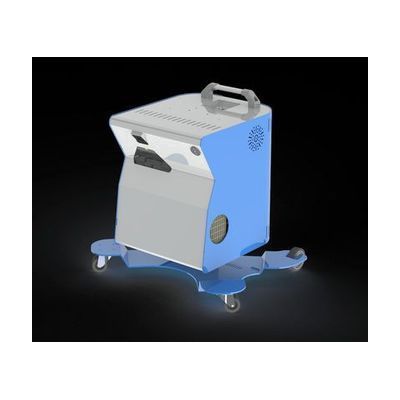
SENse Flex
by SENse
Last verified June 20, 2026 · classified April 26, 2026
What it is
Summary
AI-generated from vendor-published content · April 26, 2026
The SENse Flex is a height-adjustable, portable projector system that casts interactive light and imagery onto tables, floors, or walls — creating an immersive sensory environment without a dedicated sensory room. It's designed for children and adults with autism, sensory processing differences, or complex learning needs who benefit from controlled, engaging multisensory input, and it's particularly useful in schools and therapy settings where space is limited or shared. This is a standalone hardware unit, but getting meaningful therapeutic benefit typically requires planning by an OT or sensory integration specialist who understands how to structure activities around the projected content. At this price point, it's a significant investment best suited for clinical, educational, or well-resourced family settings — not a casual purchase.
Quick Facts Catalog facts · auto-generated
- AT Act lending
- Medicaid waiver
- Out of pocket
- School district
- Vocational rehab
What Setup Looks Like
- Out of the box
Power on the unit and project onto a nearby surface to confirm basic projection is working. - With a guide
- Adjust the telescoping column to the correct height for the target surface (floor, table, or wall).
- Connect any included software or content source and configure projection settings.
- Allow 30–60 minutes for initial environment setup; see manufacturer support resources for detailed instructions.
- With professional help
- An occupational therapist (OT) or sensory integration specialist should assess the user's sensory profile before designing activities.
- A school or clinic AT team may need to integrate the device into a structured sensory diet or IEP program — typically 2–4 sessions over several weeks.
Getting it
Try Before You Buy
Devices like this are often available to borrow through your state's AT Act program — typically free or low-cost — so you can try it before buying or pursuing funding.
Where to Get It
Some links may be affiliate links — WhatCanHelp may earn a small commission from purchases at no extra cost to you. More on affiliates →
As an Amazon Associate we earn from qualifying purchases.
How to Fund This
Equipment like this is often pursued through official state programs. These are common starting points — each program decides its own eligibility and what it covers, so the first step is always a phone call.
Compare & explore
Sources & fine print
Vendor facts (name, price, platforms, vendor link) sourced from SENse — view on vendor site; last verified June 20, 2026.
Classification & description AI-generated from vendor-published content on April 26, 2026 · confidence: medium. Vendor specs may lag; verify before relying on details in a clinical or funding artifact.