Miniguide Mobility Aid
Last verified June 19, 2026 · classified June 9, 2026
What it is
Summary
AI-generated from vendor-published content · June 9, 2026
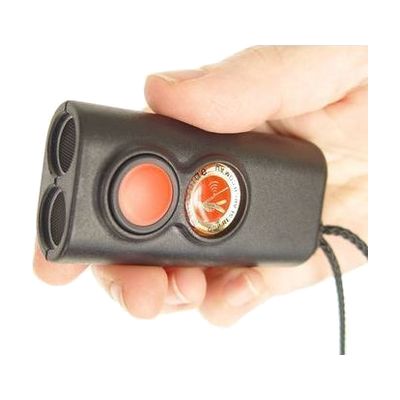
The Miniguide is a handheld ultrasonic obstacle detector that vibrates faster as you approach an object — from a maximum range of about 24 feet down to arm's length. It's designed for someone who is blind or has low vision and already uses a white cane or guide dog, adding an extra layer of detection for objects above ground level (like overhanging branches or open cabinet doors) that traditional canes miss. Five adjustable detection ranges can be saved as presets so users can quickly switch between, say, a narrow hallway setting and an outdoor setting. This is a complement to, not a replacement for, existing orientation and mobility tools — getting real benefit from it typically takes practice with an orientation and mobility (O&M) specialist, and audio feedback via earphone adds a useful training mode.
Quick Facts Catalog facts · auto-generated
- AT Act lending
- Medicaid waiver
- Out of pocket
- Vocational rehab
What Setup Looks Like
- Out of the box
- Insert the included CR123 battery and power on.
- Point the device forward to detect objects via vibration feedback — works immediately at default range.
- With a guide
- Adjust detection range settings (1.5–24 feet) to match your common environments.
- Program up to 3 preset ranges for quick toggling between indoor and outdoor use.
- Allow 30–60 minutes to review the manual and practice range-switching. See manufacturer support resources for detailed instructions.
- With professional help
- An orientation and mobility (O&M) specialist can help integrate the Miniguide into your existing cane or guide dog technique.
- Expect 2–4 sessions to develop reliable detection habits and choose optimal range presets for your travel environments.
Getting it
Try Before You Buy
Devices like this are often available to borrow through your state's AT Act program — typically free or low-cost — so you can try it before buying or pursuing funding.
Where to Get It
Some links may be affiliate links — WhatCanHelp may earn a small commission from purchases at no extra cost to you. More on affiliates →
How to Fund This
Equipment like this is often pursued through official state programs. These are common starting points — each program decides its own eligibility and what it covers, so the first step is always a phone call.
Compare & explore
Sources & fine print
Vendor facts (name, price, platforms, vendor link) sourced from Independent Living Aids — view on vendor site; last verified June 19, 2026.
Classification & description AI-generated from vendor-published content on June 9, 2026 · confidence: high. Vendor specs may lag; verify before relying on details in a clinical or funding artifact.