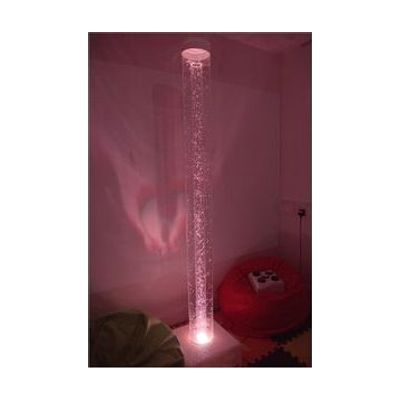
Passive Air Tube
Last verified July 28, 2026 · classified April 26, 2026
What it is
Summary
AI-generated from vendor-published content · April 26, 2026
The Passive Air Tube is a freestanding acrylic column filled with liquid and lightweight floating beads that swirl and drift without any motor, pump, or power source — movement happens naturally through convection. It's designed for sensory rooms and calm-down spaces used by people who benefit from gentle, unpredictable visual stimulation, including children and adults with autism, sensory processing differences, or profound intellectual disabilities. This is a complete, self-contained item that requires no wiring or maintenance — you simply place it and it works. Because it's passive (no active bubble system), the movement is subtler and slower than powered bubble tubes, which may or may not suit the individual's sensory preferences.
Quick Facts Catalog facts · auto-generated
- AT Act lending
- Medicaid waiver
- Out of pocket
- School district
What Setup Looks Like
- Out of the box
- Position the tube upright in the desired sensory space — no power connection required.
- The beads or liquid begin moving naturally; tilt or disturb the tube gently to restart movement if it stalls.
Getting it
Try Before You Buy
Devices like this are often available to borrow through your state's AT Act program — typically free or low-cost — so you can try it before buying or pursuing funding.
Where to Get It
This is the vendor WhatCanHelp tracks for this product — it may also be available from other retailers or a local supplier, and prices vary.
Some links may be affiliate links — WhatCanHelp may earn a small commission from purchases at no extra cost to you. More on affiliates →
As an Amazon Associate we earn from qualifying purchases.
How to Fund This
Equipment like this is often pursued through official state programs. These are common starting points — each program decides its own eligibility and what it covers, so the first step is always a phone call.
Compare & explore
Sources & fine print
Vendor facts (name, price, platforms, vendor link) sourced from Inclusive Technology — view on vendor site; last verified July 28, 2026.
Classification & description AI-generated from vendor-published content on April 26, 2026 · confidence: medium. Vendor specs may lag; verify before relying on details in a clinical or funding artifact.