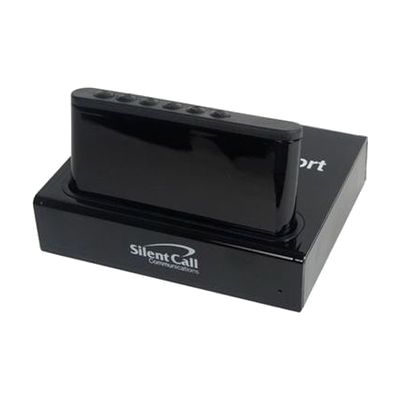
Signature Series Vibra-Call™ 3 Body-Worn 418 MHz Receiver (Model VC4003-SS)
Price is what the vendor listed when last checked. Confirm it with the vendor before buying.
Last verified September 16, 2026 · classified April 26, 2026
What it is
Summary
AI-generated from vendor-published content · April 26, 2026
This body-worn receiver vibrates with distinct pulse patterns to alert deaf-blind individuals to events happening around their home — doorbell rings, phone calls, smoke alarms, weather alerts, and more. It's designed for someone who can't rely on sound or flashing lights and needs tactile alerts they can feel wherever they are, indoors or outdoors. The kit comes complete with the receiver in a leather belt clip pouch, a bed vibrator pad, and a docking station/charger, so the core hardware for around-the-home alerting is included — though you'll still need compatible Silent Call Signature Series 418 MHz transmitters for each alert source (doorbell transmitter, smoke alarm transmitter, etc.), which are sold separately. One important limitation: the receiver must recharge overnight in its dock, so it's not a 24/7 wearable without building a charging routine into your day.
Quick Facts Catalog facts · auto-generated
- AT Act lending
- Medicaid waiver
- Out of pocket
- Vocational rehab
What Setup Looks Like
- Out of the box
- Charge the receiver in the included docking station before first use.
- Clip the receiver to your belt or place it in a pocket — vibration alerts are functional once charged.
- With a guide
- Identify each alert source in your home (doorbell, smoke alarm, phone, etc.) and purchase the corresponding Signature Series 418 MHz transmitters.
- Pair each transmitter to the receiver following the product manual — each transmitter must be registered so the receiver can distinguish alert types by vibration pattern.
- Place the bed vibrator under your mattress or pillow and connect it to the docking station for overnight alerts.
- Test each transmitter to confirm the correct vibration pattern is triggered. See manufacturer support resources for detailed instructions.
- With professional help
- A deaf-blind specialist, assistive technology professional (ATP), or independent living skills instructor can assess which transmitters are needed for your specific home layout and help configure the full alerting system.
- Expect 1-2 sessions to map alert sources and verify coverage throughout the home.
Getting it
Try Before You Buy
Devices like this are often available to borrow through your state's AT Act program — typically free or low-cost — so you can try it before buying or pursuing funding.
Where to Get It
This is the vendor WhatCanHelp tracks for this product — it may also be available from other retailers or a local supplier, and prices vary.
Some links may be affiliate links — WhatCanHelp may earn a small commission from purchases at no extra cost to you. More on affiliates →
As an Amazon Associate we earn from qualifying purchases.
How to Fund This
Equipment like this is often pursued through official state programs. These are common starting points — each program decides its own eligibility and what it covers, so the first step is always a phone call.
Compare & explore
Sources & fine print
Vendor facts (name, price, platforms, vendor link) sourced from Silent Call Communications — view on vendor site; last verified September 16, 2026.
Classification & description AI-generated from vendor-published content on April 26, 2026 · confidence: high. Vendor specs may lag; verify before relying on details in a clinical or funding artifact.