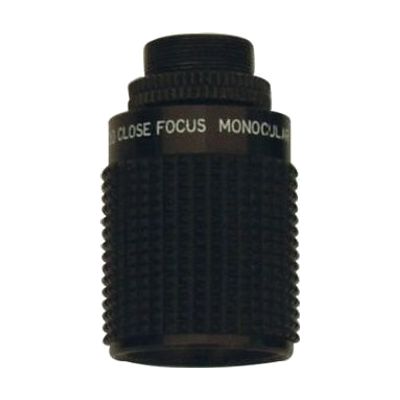
Walters Low Vision 3x20 Mini Monocular with 2 Lock Rings
Last verified July 5, 2026 · classified July 7, 2026
What it is
Summary
AI-generated from vendor-published content · July 7, 2026
This is a compact 3x magnification monocular designed specifically for people with low vision who need distance or near viewing support — reading menus, signs, prices, or faces at a distance. Weighing under an ounce and barely an inch long, it's small enough to mount directly to eyeglass frames using the included lock nuts, or attach to finger rings, hand grips, or spectacle clamps sold separately. The focus range runs from 8.5 inches all the way to infinity, which makes it genuinely versatile across near and distance tasks without switching tools. Mounting hardware for frames other than the two included lock nuts isn't included, so factor in accessory costs if you need a specific mount — and selecting the right monocular for a patient's vision profile really benefits from a low vision specialist, since optical prescription and task goals affect which power and configuration works best.
Quick Facts Catalog facts · auto-generated
- AT Act lending
- Insurance
- Medicaid waiver
- Out of pocket
- Vocational rehab
What Setup Looks Like
- Out of the box
Hold the monocular by hand and look through it — no setup needed for handheld use. - With a guide
- Attach the included lock nuts to mount the monocular to eyeglass frames following manufacturer instructions.
- Adjust focus ring for target distance; test at both near (8.5 inches) and distance ranges. Allow 15–30 minutes for initial setup. See manufacturer support resources for detailed instructions.
- With professional help
- A low vision optometrist or certified low vision therapist (CLVT) evaluates the patient's visual acuity, preferred viewing tasks, and field of view to confirm 3x20 is the appropriate power.
- The specialist fits and positions the monocular on the spectacle mount for optimal alignment with the patient's visual axis — typically completed in one clinic visit.
Getting it
Try Before You Buy
Devices like this are often available to borrow through your state's AT Act program — typically free or low-cost — so you can try it before buying or pursuing funding.
Where to Get It
Some links may be affiliate links — WhatCanHelp may earn a small commission from purchases at no extra cost to you. More on affiliates →
How to Fund This
Equipment like this is often pursued through official state programs. These are common starting points — each program decides its own eligibility and what it covers, so the first step is always a phone call.
Compare & explore
Sources & fine print
Vendor facts (name, price, platforms, vendor link) sourced from Walters Low Vision Optics — view on vendor site; last verified July 5, 2026.
Classification & description AI-generated from vendor-published content on July 7, 2026 · confidence: high. Vendor specs may lag; verify before relying on details in a clinical or funding artifact.