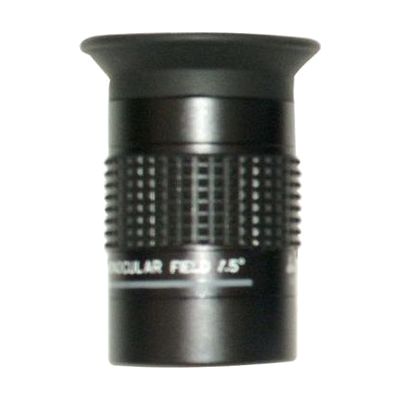
Walters Low Vision 3.25x25 Monocular with Case and Neck Strap
Last verified July 5, 2026 · classified July 7, 2026
What it is
Summary
AI-generated from vendor-published content · July 7, 2026
A compact single-eye telescope designed for people with low vision who need to see things at a distance — reading signs, whiteboards, menus, or stage performances — that their remaining vision can't quite reach. At 3.25x magnification with a 25mm objective lens, it's a lightweight, pocket-sized option (about 2 inches long, just over an ounce) that focuses from infinity down to about 11 inches, making it usable for both distance spotting and near tasks. It ships as a complete kit with a carrying case and neck strap, and can be used handheld or mounted into spectacle frames, finger rings, or a tripod — though spectacle mounting requires separate lock rings (Walters part 103-405) sold apart from this kit. Magnification needs vary significantly from person to person, so an eye care professional or low vision specialist should confirm that 3.25x is the right power before purchasing.
Quick Facts Catalog facts · auto-generated
- AT Act lending
- Out of pocket
- Vocational rehab
What Setup Looks Like
- Out of the box
Extend the monocular, hold it to one eye, and focus by rotating the eyepiece barrel — usable right out of the box as a handheld device. - With a guide
Thread the neck strap through the case hardware and practice single-handed focusing technique using the included instructions (10–15 minutes). - With professional help
A low vision optometrist or certified low vision therapist (CLVT) confirms the correct magnification level and trains the user on scanning technique, eccentric viewing, and practical use in daily environments. Expect 1–2 clinical sessions.
Getting it
Try Before You Buy
Devices like this are often available to borrow through your state's AT Act program — typically free or low-cost — so you can try it before buying or pursuing funding.
Where to Get It
Some links may be affiliate links — WhatCanHelp may earn a small commission from purchases at no extra cost to you. More on affiliates →
How to Fund This
Equipment like this is often pursued through official state programs. These are common starting points — each program decides its own eligibility and what it covers, so the first step is always a phone call.
Compare & explore
Sources & fine print
Vendor facts (name, price, platforms, vendor link) sourced from Walters Low Vision Optics — view on vendor site; last verified July 5, 2026.
Classification & description AI-generated from vendor-published content on July 7, 2026 · confidence: high. Vendor specs may lag; verify before relying on details in a clinical or funding artifact.