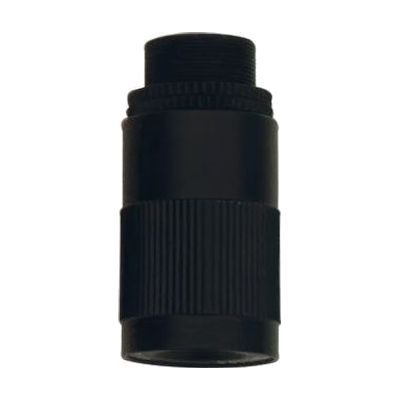
Walters Low Vision 4.2x10 Monocular with 2 Lock Rings
by Walters
Price is what the vendor listed when last checked. Confirm it with the vendor before buying.
What it is
Summary
AI-generated from vendor-published content · October 1, 2026
This 4.2x10 monocular is a small, one-ounce telescope that makes distant things look bigger, such as signs, boards, or faces across a room. It focuses from far away down to about 9 inches, so the same unit can also help with close tasks. It is about 2 inches long and 7/8 inch across, with an 8.5 degree field of view. The two included lock nuts let it be set into a spectacle mount, and it can also be used in finger rings, hand grips, or spectacle clamps. These mounts are sold separately. The right monocular depends on a person's vision and what they need to see, so it helps to try it before buying.
Getting it
Try before you buy
Devices like this are often available to borrow through your state's AT Act program — typically free or low-cost — so you can try it before buying or pursuing funding.
Where to get it
This is the vendor WhatCanHelp tracks for this product — it may also be available from other retailers or a local supplier, and prices vary.
How to fund this
These are common places to ask about paying for equipment like this. Each one decides its own eligibility and what it covers, so start by asking them.
Details
Quick Facts Catalog facts · auto-generated
- Addresses
- Platform
- Age range
- Complexity
- Professional guidance helps
- Price
- $275.95
- Funding
- AT Act lending
- Out of pocket
- Vocational rehab
What setup looks like
- Out of the box
Hold the monocular up to your eye and turn the focus to sharpen the view, from far away down to about 9 inches. - With a guide
- To use it hands-free, fit it into a spectacle mount, finger ring, hand grip, or spectacle clamp using the lock nuts. Those mounts are sold separately.
- Practice finding and holding a target with the monocular in short sessions, since a narrow field of view takes some getting used to.
- With professional help
A low vision specialist, optometrist, or occupational therapist can check that this power fits your vision and daily tasks. They can also help choose a mount and train you to use it, usually in one or two visits.
Compare & explore
Sources & fine print
Vendor facts (name, price, platforms, vendor link) sourced from MaxiAids — view on vendor site (opens in a new tab); last checked November 2, 2026.
Classification & description AI-generated from vendor-published content on October 1, 2026 · confidence: high. Vendor specs may lag; verify before relying on details in a clinical or funding artifact.