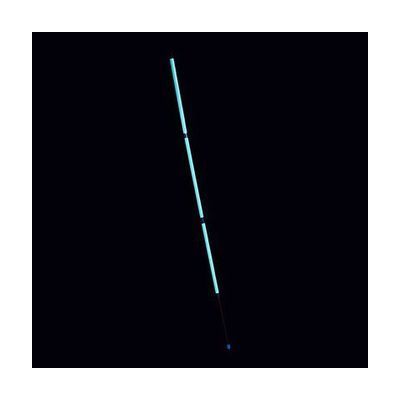
Reizen Glow Green Identification Cane - 48 inches
by Reizen
Price is what the vendor listed when last checked. Confirm it with the vendor before buying.
What it is
Summary
AI-generated from vendor-published content · October 1, 2026
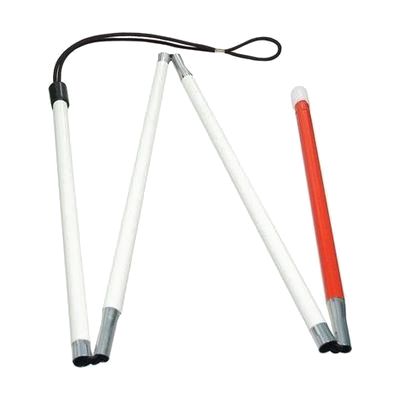
This 48-inch identification cane tells other people that you have a vision impairment, and it glows in the dark so drivers and pedestrians can see you at night. It folds apart into four sections, is lightweight, and has a red end. It charges on its own from light and glows by itself in dark places, with no switch to turn on. A full charge lasts up to six hours. It's meant to make you visible rather than to detect obstacles in your path. Other lengths are sold, from 44 to 58 inches.
Getting it
Try before you buy
Devices like this are often available to borrow through your state's AT Act program — typically free or low-cost — so you can try it before buying or pursuing funding.
Where to get it
This is the vendor WhatCanHelp tracks for this product — it may also be available from other retailers or a local supplier, and prices vary.
How to fund this
These are common places to ask about paying for equipment like this. Each one decides its own eligibility and what it covers, so start by asking them.
Details
Quick Facts Catalog facts · auto-generated
- Type
- Addresses
- Platform
- Age range
- Complexity
- Ready to use
- Price
- $41.95
- Funding
- AT Act lending
- Medicaid waiver
- Out of pocket
What setup looks like
- Out of the box
- Unfold the four cane sections and snap them together, then check that the length suits your height.
- Leave the cane in sunlight for a while so it can charge. It will glow on its own when it's in the dark.
Compare & explore
More mobility devices
Sources & fine print
Vendor facts (name, price, platforms, vendor link) sourced from MaxiAids — view on vendor site (opens in a new tab); last checked November 20, 2026.
Classification & description AI-generated from vendor-published content on October 1, 2026 · confidence: high. Vendor specs may lag; verify before relying on details in a clinical or funding artifact.