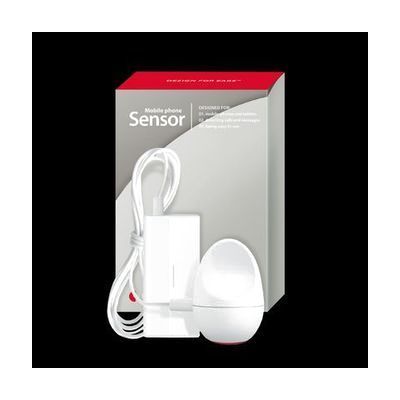
Mobile Phone Sensor
Last verified June 16, 2026 · classified April 26, 2026
What it is
Summary
AI-generated from vendor-published content · April 26, 2026
This small sensor sits on top of your phone or tablet screen and detects when the screen lights up — triggering a connected Bellman Visit alerting device to flash a light, vibrate a bed shaker, or activate another alert in your home. It's designed for people who are deaf or hard of hearing and might miss calls, texts, or app notifications on their phone, especially in another room or when not looking at the device. This is one piece of a larger Bellman Visit system — you'll need a compatible transmitter/receiver already set up to see any benefit from this sensor. It connects via standard 2.5mm or 3.5mm jack, so check your existing Visit components for compatibility before purchasing.
Quick Facts Catalog facts · auto-generated
- AT Act lending
- Out of pocket
What Setup Looks Like
- Out of the box
Place the sensor directly on your phone screen so the optical detector faces the display. - With a guide
- Connect the sensor to a compatible Bellman Visit transmitter using the 2.5mm or 3.5mm jack.
- Test by sending a notification to your phone and confirming the alerting device activates — allow 15–30 minutes to adjust sensor placement for reliable detection.
- See manufacturer support resources for detailed instructions.
Getting it
Try Before You Buy
Devices like this are often available to borrow through your state's AT Act program — typically free or low-cost — so you can try it before buying or pursuing funding.
Where to Get It
Some links may be affiliate links — WhatCanHelp may earn a small commission from purchases at no extra cost to you. More on affiliates →
As an Amazon Associate we earn from qualifying purchases.
Wondering how equipment like this gets paid for? See the official funding programs in your state.
Compare & explore
Sources & fine print
Vendor facts (name, price, platforms, vendor link) sourced from Bellman & Symfon — view on vendor site; last verified June 16, 2026.
Classification & description AI-generated from vendor-published content on April 26, 2026 · confidence: high. Vendor specs may lag; verify before relying on details in a clinical or funding artifact.