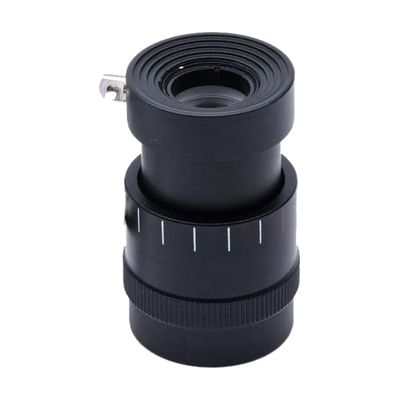
2.5X Monocular with Neck Cord
by LS&S
Last verified June 18, 2026 · classified April 26, 2026
What it is
Summary
AI-generated from vendor-published content · April 26, 2026
This small handheld telescope magnifies distant objects 2.5 times, making it easier to read signs, menus, scoreboards, or other text and images at a distance that would otherwise be unclear. It's designed for someone with low vision who needs occasional distance viewing help — at a store, sporting event, or classroom — without carrying bulky equipment. The neck cord keeps it accessible and the included case protects it between uses, making this a complete, ready-to-use tool right out of the box. The 2.5X magnification is on the lower end of monocular power, so people with more significant vision loss may find they need a higher-powered option.
Quick Facts Catalog facts · auto-generated
- AT Act lending
- Out of pocket
- Vocational rehab
What Setup Looks Like
- Out of the box
- Loop the neck cord around your neck so the monocular stays within reach.
- Hold the monocular up to one eye, point it at a distant object, and twist the focus ring until the image is sharp.
Getting it
Try Before You Buy
Devices like this are often available to borrow through your state's AT Act program — typically free or low-cost — so you can try it before buying or pursuing funding.
Where to Get It
Some links may be affiliate links — WhatCanHelp may earn a small commission from purchases at no extra cost to you. More on affiliates →
As an Amazon Associate we earn from qualifying purchases.
How to Fund This
Equipment like this is often pursued through official state programs. These are common starting points — each program decides its own eligibility and what it covers, so the first step is always a phone call.
Compare & explore
Sources & fine print
Vendor facts (name, price, platforms, vendor link) sourced from LS&S — view on vendor site; last verified June 18, 2026.
Classification & description AI-generated from vendor-published content on April 26, 2026 · confidence: high. Vendor specs may lag; verify before relying on details in a clinical or funding artifact.