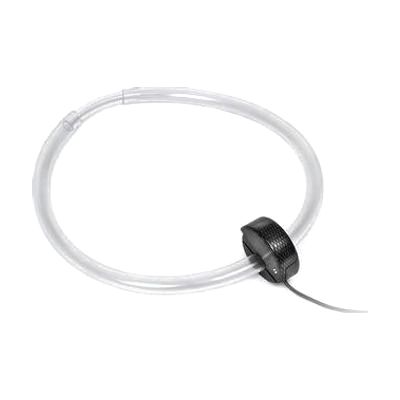
Chin Switch
by AbleNet
Last verified June 20, 2026 · classified April 26, 2026
What it is
Summary
AI-generated from vendor-published content · April 26, 2026
The Chin Switch is a hands-free input switch worn around the neck that users activate by pressing with their chin or lower jaw — requiring as little as 110 grams of pressure, about the weight of a small apple. It's designed for people who have limited or no functional use of their hands and arms but retain enough head or neck movement to make a small chin gesture. The switch connects to any device with a standard 3.5mm switch jack — AAC communicators, adapted toys, environmental controls, or computer access software — so it's a component, not a standalone solution. The 180cm cable gives reasonable positioning flexibility, but the necklace-style mounting is fixed, so users who need a different head position or mount angle may need a separate mounting arm instead.
Quick Facts Catalog facts · auto-generated
- AT Act lending
- Medicaid waiver
- Out of pocket
- School district
- Vocational rehab
What Setup Looks Like
- Out of the box
Hang the switch around the user's neck and plug the 3.5mm cable into a compatible switch-adapted device — the switch will activate that device on chin contact. - With a guide
- Adjust cable length and switch position so the activation surface rests at chin level without requiring the user to strain.
- Test activation force and positioning by having the user make their chin movement and confirming click feedback is audible and consistent — allow 15–30 minutes for positioning trials.
- With professional help
- An occupational therapist (OT) or assistive technology professional (ATP) should assess head and neck range of motion to confirm chin switching is the right access method for this user.
- An SLP or ATP then configures the connected AAC or access device for switch scanning to match the user's cognitive and motor profile — expect 2–4 sessions over several weeks for access method training.
- See manufacturer support resources for detailed instructions.
Getting it
Try Before You Buy
Devices like this are often available to borrow through your state's AT Act program — typically free or low-cost — so you can try it before buying or pursuing funding.
Where to Get It
Some links may be affiliate links — WhatCanHelp may earn a small commission from purchases at no extra cost to you. More on affiliates →
As an Amazon Associate we earn from qualifying purchases.
How to Fund This
Equipment like this is often pursued through official state programs. These are common starting points — each program decides its own eligibility and what it covers, so the first step is always a phone call.
Compare & explore
Sources & fine print
Vendor facts (name, price, platforms, vendor link) sourced from AbleNet — view on vendor site; last verified June 20, 2026.
Classification & description AI-generated from vendor-published content on April 26, 2026 · confidence: high. Vendor specs may lag; verify before relying on details in a clinical or funding artifact.