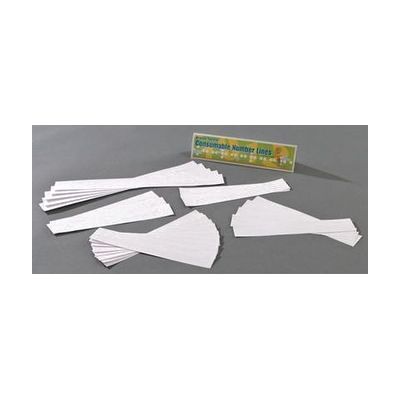
Consumable Number Lines
by American Printing House for the Blind
Last verified June 15, 2026 · classified May 23, 2026
What it is
Summary
AI-generated from vendor-published content · May 23, 2026
These are tactile and large-print number lines designed for students who are blind or have low vision learning foundational math concepts. A student can physically trace or point along the line to count, compare numbers, or work through simple addition and subtraction problems — turning an abstract sequence into something they can feel or see clearly. This is a consumable, single-use resource, so the intent is that students can write on, mark, or cut them as part of classroom activities. APH produces these specifically for early math instruction, so the format and contrast are designed around the needs of visually impaired learners — not a modified mainstream product.
Quick Facts Catalog facts · auto-generated
- AT Act lending
- Out of pocket
- School district
What Setup Looks Like
- Out of the box
Distribute to student and use directly as a hands-on math reference during instruction. - With professional help
A teacher of the visually impaired (TVI) or special education teacher typically integrates these into early numeracy lessons aligned with the student's IEP math goals.
Getting it
Try Before You Buy
Devices like this are often available to borrow through your state's AT Act program — typically free or low-cost — so you can try it before buying or pursuing funding.
Where to Get It
Some links may be affiliate links — WhatCanHelp may earn a small commission from purchases at no extra cost to you. More on affiliates →
Wondering how equipment like this gets paid for? See the official funding programs in your state.
Compare & explore
Sources & fine print
Vendor facts (name, price, platforms, vendor link) sourced from American Printing House for the Blind — view on vendor site; last verified June 15, 2026.
Classification & description AI-generated from vendor-published content on May 23, 2026 · confidence: high. Vendor specs may lag; verify before relying on details in a clinical or funding artifact.