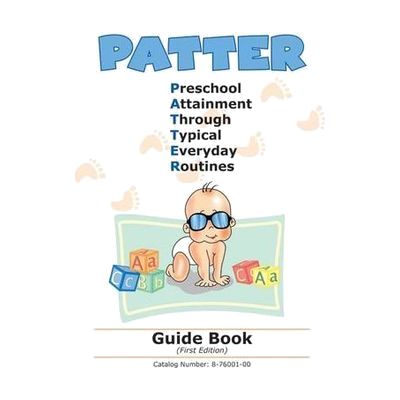
PATTER: Preschool Attainment Through Typical Everyday Routines, Large Print
by American Printing House for the Blind
Last verified June 15, 2026 · classified May 23, 2026
What it is
Summary
AI-generated from vendor-published content · May 23, 2026
PATTER is a curriculum and assessment framework from APH built specifically for preschool-age children with visual impairments. It targets the everyday routines that sighted peers pick up incidentally — dressing, feeding, play, social interaction — and structures them into teachable sequences for children who need explicit instruction in those foundational skills. Teachers, early interventionists, and vision specialists use it both to plan instruction and to track each child's progress over time. This is a professional teaching resource, not a toy or therapy device; using it well requires someone trained in early childhood visual impairment, not just a parent working independently. The large-print format makes it accessible to practitioners with low vision or those working with children who can use print alongside tactile materials.
Quick Facts Catalog facts · auto-generated
- AT Act lending
- Out of pocket
- School district
- Vocational rehab
What Setup Looks Like
- Out of the box
Open and review the assessment components to understand the curriculum structure. - With a guide
- Familiarize yourself with the routine-based assessment domains and scoring protocol.
- Identify target routines based on the child's current skill level and family priorities — expect 1-2 hours of initial review with the manual.
- With professional help
- A Teacher of Students with Visual Impairments (TVI) or early intervention specialist should administer the assessment and map results to IEP goals.
- Coordinate with the child's family and educational team to embed target routines into natural home and classroom settings.
- See manufacturer support resources for detailed instructions.
Getting it
Try Before You Buy
Devices like this are often available to borrow through your state's AT Act program — typically free or low-cost — so you can try it before buying or pursuing funding.
Where to Get It
Some links may be affiliate links — WhatCanHelp may earn a small commission from purchases at no extra cost to you. More on affiliates →
How to Fund This
Equipment like this is often pursued through official state programs. These are common starting points — each program decides its own eligibility and what it covers, so the first step is always a phone call.
Compare & explore
Sources & fine print
Vendor facts (name, price, platforms, vendor link) sourced from American Printing House for the Blind — view on vendor site; last verified June 15, 2026.
Classification & description AI-generated from vendor-published content on May 23, 2026 · confidence: high. Vendor specs may lag; verify before relying on details in a clinical or funding artifact.