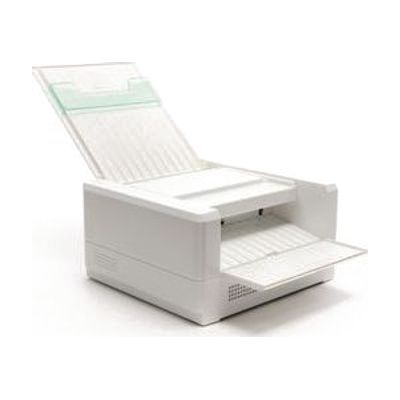
The TactPlus Printer
by American Printing House for the Blind
Last verified July 30, 2026 · classified May 23, 2026
What it is
Summary
AI-generated from vendor-published content · May 23, 2026
The TactPlus Printer is a tactile graphics embosser that creates raised-line images and diagrams on specially coated paper using heat or pressure-based embossing technology. It's designed for educators, orientation and mobility specialists, and transcribers who need to produce tactile maps, charts, diagrams, and illustrations for students or adults with visual impairments who rely on touch to interpret graphics. This is a standalone dedicated hardware unit, but producing usable tactile output requires appropriate software for creating or converting images, as well as compatible embossable paper stock — neither of which is included in the base price. APH has discontinued direct sales of this product; ongoing support and purchasing now routes through Ability2Access, so factor in potential service and supply chain considerations before committing.
Quick Facts Catalog facts · auto-generated
- AT Act lending
- Out of pocket
- School district
- Vocational rehab
What Setup Looks Like
- With a guide
- Connect the TactPlus to a computer via USB and install the required printer driver.
- Load compatible capsule or embossable paper into the paper tray.
- Use tactile graphics software (such as APH's PixBlaster workflow or Tactile Graphics Illustrator) to prepare and send a file to the printer — allow 30–60 minutes to configure software settings and run test prints.
- With professional help
- A Teacher of the Visually Impaired (TVI) or AT specialist should configure line depth, texture settings, and image preparation workflows for consistent, readable output.
- Ongoing consultation with a TVI ensures that tactile graphics produced meet the tactile literacy needs of individual users — expect 2–4 setup sessions. See manufacturer support resources for detailed instructions.
Getting it
Try Before You Buy
Devices like this are often available to borrow through your state's AT Act program — typically free or low-cost — so you can try it before buying or pursuing funding.
Where to Get It
This is the vendor WhatCanHelp tracks for this product — it may also be available from other retailers or a local supplier, and prices vary.
Some links may be affiliate links — WhatCanHelp may earn a small commission from purchases at no extra cost to you. More on affiliates →
As an Amazon Associate we earn from qualifying purchases.
How to Fund This
Equipment like this is often pursued through official state programs. These are common starting points — each program decides its own eligibility and what it covers, so the first step is always a phone call.
Compare & explore
Sources & fine print
Vendor facts (name, price, platforms, vendor link) sourced from American Printing House for the Blind — view on vendor site; last verified July 30, 2026.
Classification & description AI-generated from vendor-published content on May 23, 2026 · confidence: medium. Vendor specs may lag; verify before relying on details in a clinical or funding artifact.