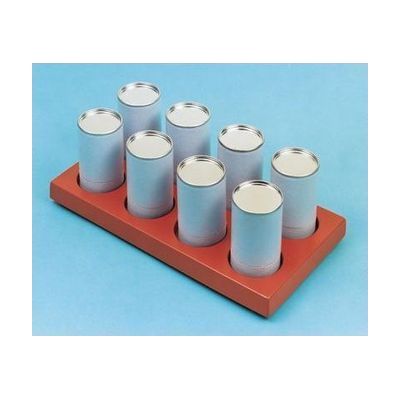
Sound Matching Board II: Base
by American Printing House for the Blind
Last verified June 15, 2026 · classified May 23, 2026
What it is
Summary
AI-generated from vendor-published content · May 23, 2026
This is a hands-on, tactile learning board from APH that uses sound-producing cylinders — containers that make distinct noises when shaken — to teach concepts like sequencing, spatial positions (first/last, left/right), and auditory matching and discrimination. It's designed for students with visual impairments who need concrete, non-visual ways to build foundational cognitive and sensory skills. The base board holds the cylinders in a structured arrangement, but the cylinders themselves are sold separately — this listing is for the board alone, so check that you have or are also purchasing the matching cylinder set. Because it's a teaching tool rather than a self-directed device, meaningful use depends on an educator or specialist introducing tasks and goals.
Quick Facts Catalog facts · auto-generated
- AT Act lending
- Out of pocket
- School district
What Setup Looks Like
- Out of the box
Place cylinders in board slots and shake to demonstrate sound differences — ready to use once cylinders are available. - With professional help
- A teacher of students with visual impairments (TVI) or special education teacher selects target concepts (sequencing, position, matching) and structures lesson activities around the board.
- Expect initial planning time of one session before first use with a student.
Getting it
Try Before You Buy
Devices like this are often available to borrow through your state's AT Act program — typically free or low-cost — so you can try it before buying or pursuing funding.
Where to Get It
Some links may be affiliate links — WhatCanHelp may earn a small commission from purchases at no extra cost to you. More on affiliates →
Wondering how equipment like this gets paid for? See the official funding programs in your state.
Compare & explore
Sources & fine print
Vendor facts (name, price, platforms, vendor link) sourced from American Printing House for the Blind — view on vendor site; last verified June 15, 2026.
Classification & description AI-generated from vendor-published content on May 23, 2026 · confidence: high. Vendor specs may lag; verify before relying on details in a clinical or funding artifact.