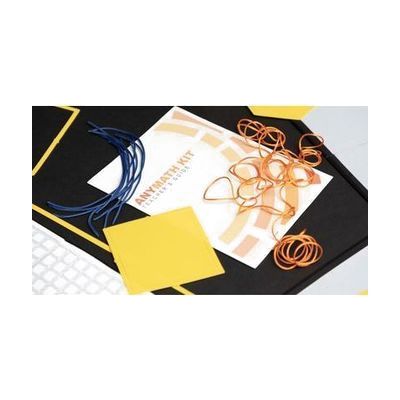
AnyMath Kit
by American Printing House for the Blind
Last verified June 15, 2026 · classified May 23, 2026
What it is
Summary
AI-generated from vendor-published content · May 23, 2026
The AnyMath Kit gives blind and low vision students a hands-on way to access math content through tactile graphics — raised-line diagrams, graphs, and geometric shapes that students explore by touch rather than sight. It's designed to span the full K-12 math curriculum, from basic number concepts through algebra, geometry, and trigonometry, so one kit can grow with a student rather than being replaced at each grade level. This is a complete kit with materials for both students and teachers, though teachers will need orientation to the materials and some practice creating tactile graphics effectively before it becomes a smooth classroom tool. Students who are also learning braille will benefit most when using this alongside a math-specific braille code (Nemeth or UEB Technical), so coordination with a Teacher of the Visually Impaired (TVI) is strongly recommended.
Quick Facts Catalog facts · auto-generated
- AT Act lending
- Out of pocket
- School district
- Vocational rehab
What Setup Looks Like
- Out of the box
Open the kit and handle the included tactile materials — students can begin exploring pre-made graphics right away. - With a guide
- Review the teacher guide to understand how to create accessible tactile graphics for specific math topics.
- Prepare lesson-specific graphics ahead of class using the kit's tools — budget 30-60 minutes to learn the creation process initially.
- With professional help
- A Teacher of the Visually Impaired (TVI) should introduce the kit to the student, connecting tactile graphics to the student's existing tactile literacy skills.
- Coordinate with the TVI to align kit use with the student's braille math code instruction (Nemeth or UEB Technical).
- See manufacturer support resources for detailed instructions.
Getting it
Try Before You Buy
Devices like this are often available to borrow through your state's AT Act program — typically free or low-cost — so you can try it before buying or pursuing funding.
Where to Get It
Some links may be affiliate links — WhatCanHelp may earn a small commission from purchases at no extra cost to you. More on affiliates →
How to Fund This
Equipment like this is often pursued through official state programs. These are common starting points — each program decides its own eligibility and what it covers, so the first step is always a phone call.
Compare & explore
Sources & fine print
Vendor facts (name, price, platforms, vendor link) sourced from American Printing House for the Blind — view on vendor site; last verified June 15, 2026.
Classification & description AI-generated from vendor-published content on May 23, 2026 · confidence: high. Vendor specs may lag; verify before relying on details in a clinical or funding artifact.