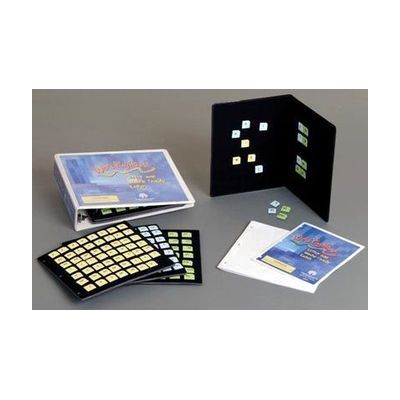
Word PlayHouse
by American Printing House for the Blind
Last verified June 15, 2026 · classified May 23, 2026
What it is
Summary
AI-generated from vendor-published content · May 23, 2026
Word PlayHouse is a hands-on literacy kit that uses tactile tiles — printed on one side, braille on the other — placed on a felt board to build words and practice phonics. It's designed for students who are blind or have low vision and are learning to read, particularly in early elementary grades where manipulatives are central to literacy instruction. This is a complete physical kit, not software, so there's no device pairing or screen setup involved. Because it teaches braille alongside print, it works best when introduced by a teacher of students with visual impairments (TVI) who can reinforce the braille code in context — not something a family can easily self-implement without some familiarity with braille.
Quick Facts Catalog facts · auto-generated
- AT Act lending
- Out of pocket
- School district
What Setup Looks Like
- Out of the box
Remove tiles from packaging and place felt board on a flat surface — ready to use. - With professional help
- A Teacher of Students with Visual Impairments (TVI) should introduce braille tile patterns and sequence phonics lessons to match the student's literacy program.
- Plan ongoing use within regular literacy instruction sessions rather than as a standalone activity.
Getting it
Try Before You Buy
Devices like this are often available to borrow through your state's AT Act program — typically free or low-cost — so you can try it before buying or pursuing funding.
Where to Get It
Some links may be affiliate links — WhatCanHelp may earn a small commission from purchases at no extra cost to you. More on affiliates →
Wondering how equipment like this gets paid for? See the official funding programs in your state.
Compare & explore
Sources & fine print
Vendor facts (name, price, platforms, vendor link) sourced from American Printing House for the Blind — view on vendor site; last verified June 15, 2026.
Classification & description AI-generated from vendor-published content on May 23, 2026 · confidence: medium. Vendor specs may lag; verify before relying on details in a clinical or funding artifact.