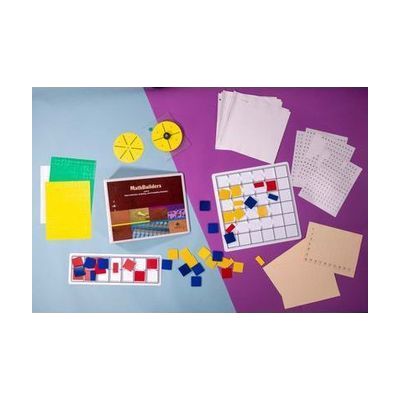
MathBuilders, Unit 8: Data Collection, Graphing, and Probability-Statistics Kit (includes Teacher's Guide in print)
by American Printing House for the Blind
Last verified June 15, 2026 · classified May 23, 2026
What it is
Summary
AI-generated from vendor-published content · May 23, 2026
MathBuilders Unit 8 is a tactile and large-print math kit covering data collection, graphing, and basic probability and statistics concepts for blind and low vision students in kindergarten through third grade. The kit pairs hands-on manipulatives with a printed Teacher's Guide so educators can deliver structured lessons without needing to adapt standard materials on the fly. It's designed as a supplement to a broader math curriculum — not a standalone program — so it works alongside whatever core curriculum the student's school uses. Tactile graphics and accessible formats are built in from the start, which saves the teacher significant prep time compared to adapting general education materials.
Quick Facts Catalog facts · auto-generated
- AT Act lending
- Out of pocket
- School district
What Setup Looks Like
- Out of the box
Open the kit and review the Teacher's Guide to understand the unit's scope and lesson sequence. - With a guide
- Read the Teacher's Guide to identify which lessons align with your student's current IEP math goals.
- Organize the manipulatives and tactile materials by lesson before starting instruction.
- Plan to integrate this unit alongside your existing K-3 math curriculum — expect 30-60 minutes of prep per lesson block. See manufacturer support resources for detailed instructions.
- With professional help
- A teacher of students with visual impairments (TVI) or special education math specialist should review the kit to ensure materials match the student's tactile reading level and learning profile.
- Coordinate with the student's IEP team to sequence this unit within the broader math curriculum plan.
Getting it
Try Before You Buy
Devices like this are often available to borrow through your state's AT Act program — typically free or low-cost — so you can try it before buying or pursuing funding.
Where to Get It
Some links may be affiliate links — WhatCanHelp may earn a small commission from purchases at no extra cost to you. More on affiliates →
Wondering how equipment like this gets paid for? See the official funding programs in your state.
Compare & explore
Sources & fine print
Vendor facts (name, price, platforms, vendor link) sourced from American Printing House for the Blind — view on vendor site; last verified June 15, 2026.
Classification & description AI-generated from vendor-published content on May 23, 2026 · confidence: high. Vendor specs may lag; verify before relying on details in a clinical or funding artifact.