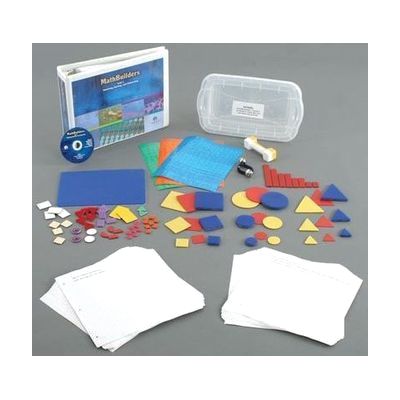
MathBuilders, Unit 1: Matching, Sorting, and Patterning Kit (includes Teacher's Guide in print)
by American Printing House for the Blind
Last verified June 15, 2026 · classified May 23, 2026
What it is
Summary
AI-generated from vendor-published content · May 23, 2026
MathBuilders Unit 1 is a hands-on early math kit covering foundational concepts — matching objects, sorting by attributes, and recognizing patterns — designed specifically for blind and low vision students in kindergarten through third grade. The kit includes tactile manipulatives and a printed teacher's guide, giving educators concrete tools to teach concepts that sighted peers typically learn through visual worksheets. This is a complete, ready-to-use supplementary curriculum kit, not a standalone student product — it's intended for a teacher or specialist to deliver structured lessons. APH curriculum materials like this are most effective when used by a teacher of students with visual impairments (TVI) who can integrate them into the child's existing math instruction rather than using them as the sole curriculum.
Quick Facts Catalog facts · auto-generated
- AT Act lending
- Out of pocket
- School district
What Setup Looks Like
- Out of the box
Open the kit and review the printed teacher's guide to understand the lesson sequence and included manipulatives. - With a guide
- Inventory tactile manipulatives against the guide's materials list.
- Follow the teacher's guide unit structure to plan and deliver lessons — allow 30–60 minutes for initial lesson planning before first use.
- See manufacturer support resources for detailed instructions.
- With professional help
- A Teacher of Students with Visual Impairments (TVI) should assess the student's current tactile readiness and math level before selecting entry points in the curriculum.
- Coordinate with the classroom math teacher to align MathBuilders activities with grade-level curriculum goals.
Getting it
Try Before You Buy
Devices like this are often available to borrow through your state's AT Act program — typically free or low-cost — so you can try it before buying or pursuing funding.
Where to Get It
Some links may be affiliate links — WhatCanHelp may earn a small commission from purchases at no extra cost to you. More on affiliates →
Wondering how equipment like this gets paid for? See the official funding programs in your state.
Compare & explore
Sources & fine print
Vendor facts (name, price, platforms, vendor link) sourced from American Printing House for the Blind — view on vendor site; last verified June 15, 2026.
Classification & description AI-generated from vendor-published content on May 23, 2026 · confidence: high. Vendor specs may lag; verify before relying on details in a clinical or funding artifact.