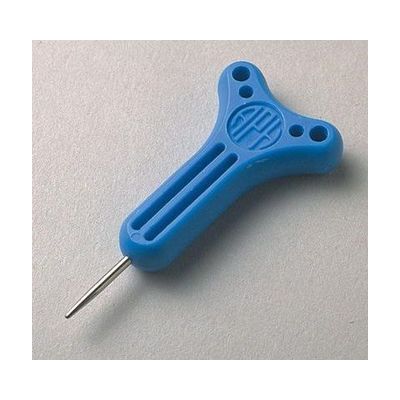
Braille Stylus: Saddle-Shaped
by American Printing House for the Blind
Price is what the vendor listed when last checked. Confirm it with the vendor before buying.
What it is
Summary
AI-generated from vendor-published content · October 1, 2026
This braille stylus is the pointed tool you press into paper to make braille dots by hand, used together with a slate. It has a plastic handle with a dip in the top where your index finger rests, which helps you keep a steady grip. The handle is flat on the underside so the stylus won't roll off a desk. The point is metal, and the whole tool is small, about 2 5/8 by 1 1/4 inches. It's aimed at learners age 6 and up. A stylus can't write braille on its own, so you'll also need a slate and paper.
Getting it
Where to get it
This is the vendor WhatCanHelp tracks for this product — it may also be available from other retailers or a local supplier, and prices vary.
How to fund this
These are common places to ask about paying for equipment like this. Each one decides its own eligibility and what it covers, so start by asking them.
Details
Quick Facts Catalog facts · auto-generated
- Type
- Addresses
- Platform
- Age range
- Complexity
- Setup with instructions
- Price
- $2.50
- Funding
- Out of pocket
- School district
What setup looks like
- Out of the box
Rest your index finger in the dip on top of the handle and hold the stylus like a pen. - With a guide
- Place paper in a braille slate and close it so the paper is held in place.
- Press the metal point into the slate's cells to form each dot, working in the order your teacher or the slate's instructions show.
- Plan on a short practice session. Getting the dot pressure and spacing right usually takes some repeated practice, and a teacher of students with visual impairments can help you learn it.
Compare & explore
More low vision aids
-
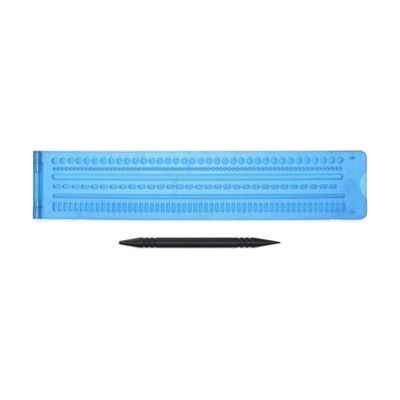
Tactile Graphic Line Slate
$58.49
-
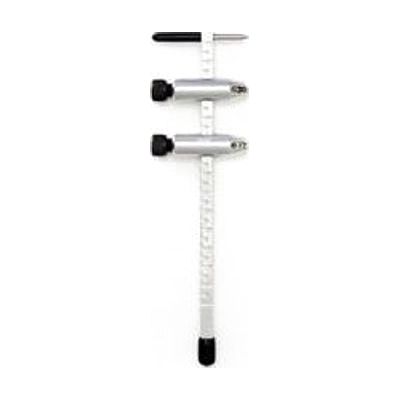
-
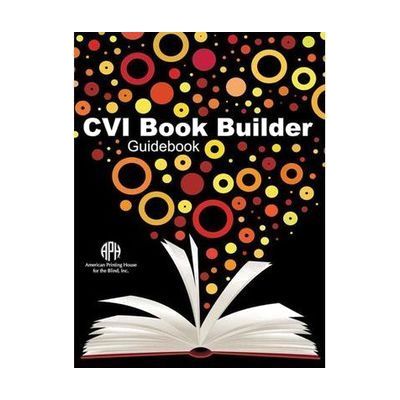
CVI Book Builder Kit
$321.00
-
-
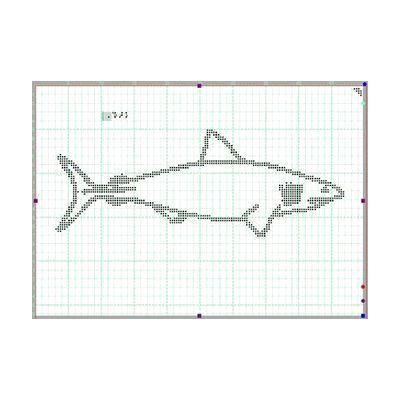
TactileView
$595.00
-
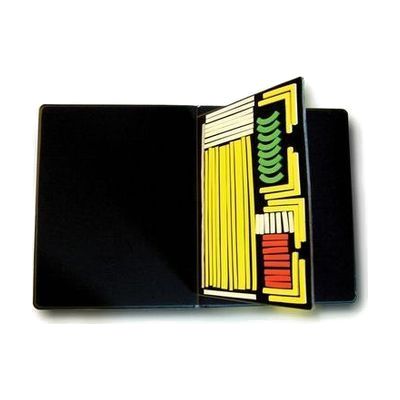
Picture Maker Storage Panel
$22.77
Sources & fine print
Vendor facts (name, price, platforms, vendor link) sourced from American Printing House for the Blind — view on vendor site (opens in a new tab); last checked November 23, 2026.
Classification & description AI-generated from vendor-published content on October 1, 2026 · confidence: high. Vendor specs may lag; verify before relying on details in a clinical or funding artifact.