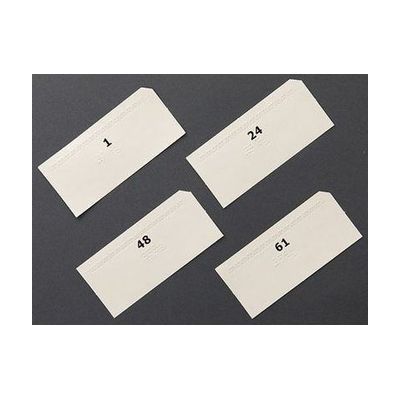
Math Drill Cards: Number/Math Signs UEB
by American Printing House for the Blind
Last verified June 15, 2026 · classified May 23, 2026
What it is
Summary
AI-generated from vendor-published content · May 23, 2026
These are physical flashcards printed in both Unified English Braille (UEB) and large print, covering number symbols and math operation signs for elementary-level math fact practice. They're designed for students who are blind or have low vision and need tactile or enlarged print access to the same drill-and-practice routines sighted peers use with standard flashcards. Each card presents math content in a format the student can read independently — no screen reader, app, or power source required. The set covers foundational math notation, so it's most useful early in a student's math education; it won't extend to more advanced topics like fractions or algebra.
Quick Facts Catalog facts · auto-generated
- AT Act lending
- Out of pocket
- School district
What Setup Looks Like
- Out of the box
- Remove cards from packaging and sort by topic or sequence as desired.
- Student reads each card independently using braille or large print and practices the math fact shown.
- With a guide
- A teacher or TVI (Teacher of Students with Visual Impairments) can sequence the cards to align with the student's current math curriculum.
- Integrate into daily math practice sessions — expect 5–10 minutes to organize a practice set.
Getting it
Try Before You Buy
Devices like this are often available to borrow through your state's AT Act program — typically free or low-cost — so you can try it before buying or pursuing funding.
Where to Get It
Some links may be affiliate links — WhatCanHelp may earn a small commission from purchases at no extra cost to you. More on affiliates →
Wondering how equipment like this gets paid for? See the official funding programs in your state.
Compare & explore
Sources & fine print
Vendor facts (name, price, platforms, vendor link) sourced from American Printing House for the Blind — view on vendor site; last verified June 15, 2026.
Classification & description AI-generated from vendor-published content on May 23, 2026 · confidence: high. Vendor specs may lag; verify before relying on details in a clinical or funding artifact.