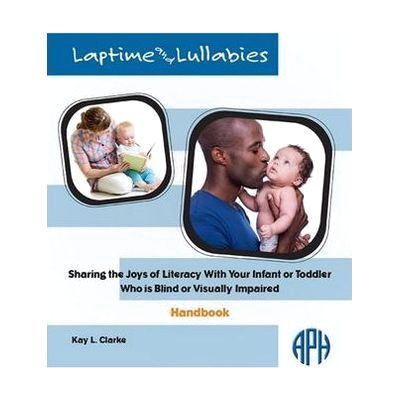
Laptime and Lullabies: Parent Handbooks
by American Printing House for the Blind
Last verified June 15, 2026 · classified May 23, 2026
What it is
Summary
AI-generated from vendor-published content · May 23, 2026
A set of parent handbooks designed to guide caregivers through literacy-building activities with infants and toddlers who are blind or have low vision. The materials walk parents through adapted lap-reading, rhyming, and tactile exploration activities that build the foundational literacy and language skills typically developed through picture-book sharing — but reimagined for children who can't rely on visual cues. This is a resource for the adult caregiver, not the child directly; the value comes from the parent learning how to adapt everyday interactions to support early literacy in a visually impaired baby or toddler. APH materials are Federal Quota eligible, meaning schools for the blind and vision programs can request them through quota funds — but families can also purchase directly. The handbooks support engagement and bonding alongside learning, but they're a guide, not a standalone curriculum; pairing them with a Teacher of Students with Visual Impairments (TVI) will get better results than going it alone.
Quick Facts Catalog facts · auto-generated
- AT Act lending
- Out of pocket
- School district
What Setup Looks Like
- Out of the box
Open the handbooks and review the introductory activities — designed to start with materials you already have at home. - With a guide
- Work through the activity sequence as outlined in the handbooks, starting with lap rhymes and tactile play.
- Use the suggested materials list to gather or prepare tactile props for each activity (30–60 minutes initial prep).
- See manufacturer support resources at aph.org for supplemental guidance.
- With professional help
- A Teacher of Students with Visual Impairments (TVI) can help select which activities match the child's vision level and developmental stage.
- Expect periodic consultations (monthly or as part of existing early intervention sessions) to review progress and adapt activities.
Getting it
Try Before You Buy
Devices like this are often available to borrow through your state's AT Act program — typically free or low-cost — so you can try it before buying or pursuing funding.
Where to Get It
Some links may be affiliate links — WhatCanHelp may earn a small commission from purchases at no extra cost to you. More on affiliates →
Wondering how equipment like this gets paid for? See the official funding programs in your state.
Compare & explore
Sources & fine print
Vendor facts (name, price, platforms, vendor link) sourced from American Printing House for the Blind — view on vendor site; last verified June 15, 2026.
Classification & description AI-generated from vendor-published content on May 23, 2026 · confidence: high. Vendor specs may lag; verify before relying on details in a clinical or funding artifact.