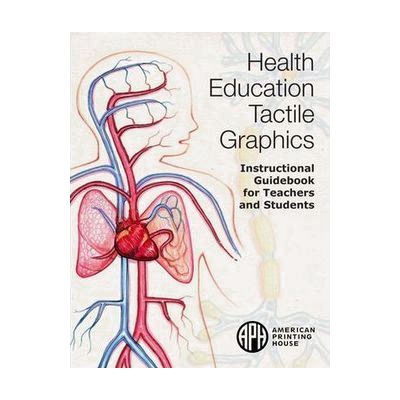
Health Education Tactile Graphics
by American Printing House for the Blind
Last verified June 15, 2026 · classified May 23, 2026
What it is
Summary
AI-generated from vendor-published content · May 23, 2026
These are raised-line tactile graphics depicting human body systems — skeletal, muscular, reproductive, and others — designed for students with visual impairments in health education classes. Each sheet uses embossed tactile printing so students can explore anatomical structures through touch rather than sight. This is a supplementary classroom material, not a standalone curriculum; it's designed to pair with APH's Health Education for Students with Visual Impairments guidebook, so ideally both resources are used together. Teachers of students with visual impairments (TVIs) will get the most out of this set by using the corresponding guidebook to guide instruction around each graphic.
Quick Facts Catalog facts · auto-generated
- AT Act lending
- Out of pocket
- School district
What Setup Looks Like
- Out of the box
Open the set and begin using graphics directly in health education lessons — no assembly or preparation required. - With professional help
- A teacher of students with visual impairments (TVI) should pair these with the companion APH Health Education guidebook to align graphics with lesson content.
- Expect integration into health curriculum over a semester or full school year.
Getting it
Try Before You Buy
Devices like this are often available to borrow through your state's AT Act program — typically free or low-cost — so you can try it before buying or pursuing funding.
Where to Get It
Some links may be affiliate links — WhatCanHelp may earn a small commission from purchases at no extra cost to you. More on affiliates →
Wondering how equipment like this gets paid for? See the official funding programs in your state.
Compare & explore
Sources & fine print
Vendor facts (name, price, platforms, vendor link) sourced from American Printing House for the Blind — view on vendor site; last verified June 15, 2026.
Classification & description AI-generated from vendor-published content on May 23, 2026 · confidence: high. Vendor specs may lag; verify before relying on details in a clinical or funding artifact.