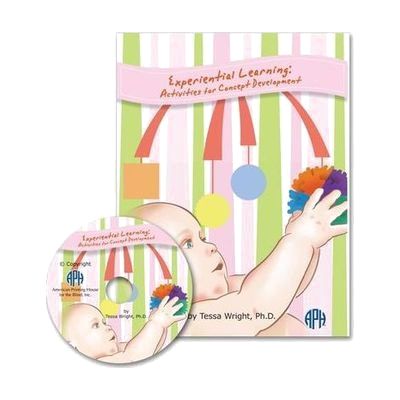
Experiential Learning: Activities for Concept Development
by American Printing House for the Blind
Last verified June 15, 2026 · classified May 23, 2026
What it is
Summary
AI-generated from vendor-published content · May 23, 2026
This guidebook from APH provides structured hands-on activities designed to build foundational concepts in young children who are blind or have low vision. Because children with visual impairments often miss the incidental learning that sighted peers absorb through observation, this resource gives educators and caregivers a deliberate, activity-based approach to teaching concepts like size, texture, spatial relationships, and object permanence. It's a practical tool for teachers of the visually impaired (TVIs), early intervention specialists, or informed parents — not a standalone curriculum, but a supplement to guided instruction. At $14, it's low-cost, but the activities themselves require an adult facilitator who understands how to adapt learning for vision loss; just handing it to a caregiver without context may not yield results.
Quick Facts Catalog facts · auto-generated
- AT Act lending
- Out of pocket
- School district
What Setup Looks Like
- Out of the box
Open the guidebook and read through the activity structure before working with a child. - With a guide
- Review with a Teacher of the Visually Impaired (TVI) or early intervention specialist to prioritize activities matching the child's current concept gaps.
- Gather any common household or classroom materials the activities require before beginning sessions — most activities use readily available objects.
- With professional help
- A TVI or early intervention specialist should assess which concept areas need targeted development and sequence activities accordingly.
- Integrate selected activities into the child's IFSP or IEP goals with the specialist's guidance. See manufacturer support resources for detailed instructions.
Getting it
Try Before You Buy
Devices like this are often available to borrow through your state's AT Act program — typically free or low-cost — so you can try it before buying or pursuing funding.
Where to Get It
Some links may be affiliate links — WhatCanHelp may earn a small commission from purchases at no extra cost to you. More on affiliates →
Wondering how equipment like this gets paid for? See the official funding programs in your state.
Compare & explore
Sources & fine print
Vendor facts (name, price, platforms, vendor link) sourced from American Printing House for the Blind — view on vendor site; last verified June 15, 2026.
Classification & description AI-generated from vendor-published content on May 23, 2026 · confidence: high. Vendor specs may lag; verify before relying on details in a clinical or funding artifact.