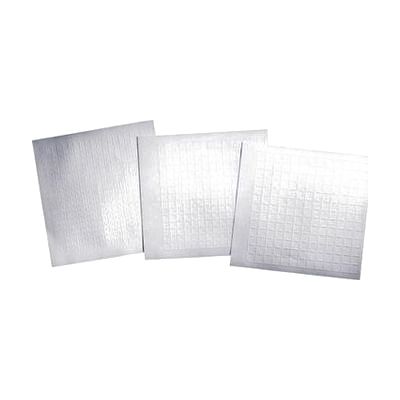
Low-Relief Embossed Graph Sheets: 0.5 Inch Squares, 20 x 20 Grid
by American Printing House for the Blind
Last verified June 15, 2026 · classified May 23, 2026
What it is
Summary
AI-generated from vendor-published content · May 23, 2026
These are pre-embossed graph sheets with a tactile 20x20 grid of half-inch squares that can be felt with the fingertips rather than seen. Teachers, braille transcribers, and vision specialists use them as a foundation for creating tactile charts, graphs, and math worksheets for students who are blind or have low vision. The embossed grid is already raised — you add content on top using braille labels, tactile stickers, or raised-line drawing tools. At $9 for a pack, the price is low, but these are a material for specialists to build instructional resources, not a finished product a student picks up and uses independently.
Quick Facts Catalog facts · auto-generated
- Out of pocket
- School district
What Setup Looks Like
- Out of the box
Sheets are ready to use as-is for tracing or tactile orientation activities. - With professional help
- A teacher of the visually impaired (TVI) or braille transcriber uses these sheets as a base layer to create custom tactile graphs, data charts, or math grids.
- Add braille labels, tactile stickers, or raised-line drawing tools to complete the instructional material before giving to a student.
Getting it
Many states lend devices like this for free trial periods — find your state's AT lending program.
Where to Get It
Some links may be affiliate links — WhatCanHelp may earn a small commission from purchases at no extra cost to you. More on affiliates →
Wondering how equipment like this gets paid for? See the official funding programs in your state.
Compare & explore
Sources & fine print
Vendor facts (name, price, platforms, vendor link) sourced from American Printing House for the Blind — view on vendor site; last verified June 15, 2026.
Classification & description AI-generated from vendor-published content on May 23, 2026 · confidence: high. Vendor specs may lag; verify before relying on details in a clinical or funding artifact.